Outdoor Ambassador Program Revamped for Summer 2026
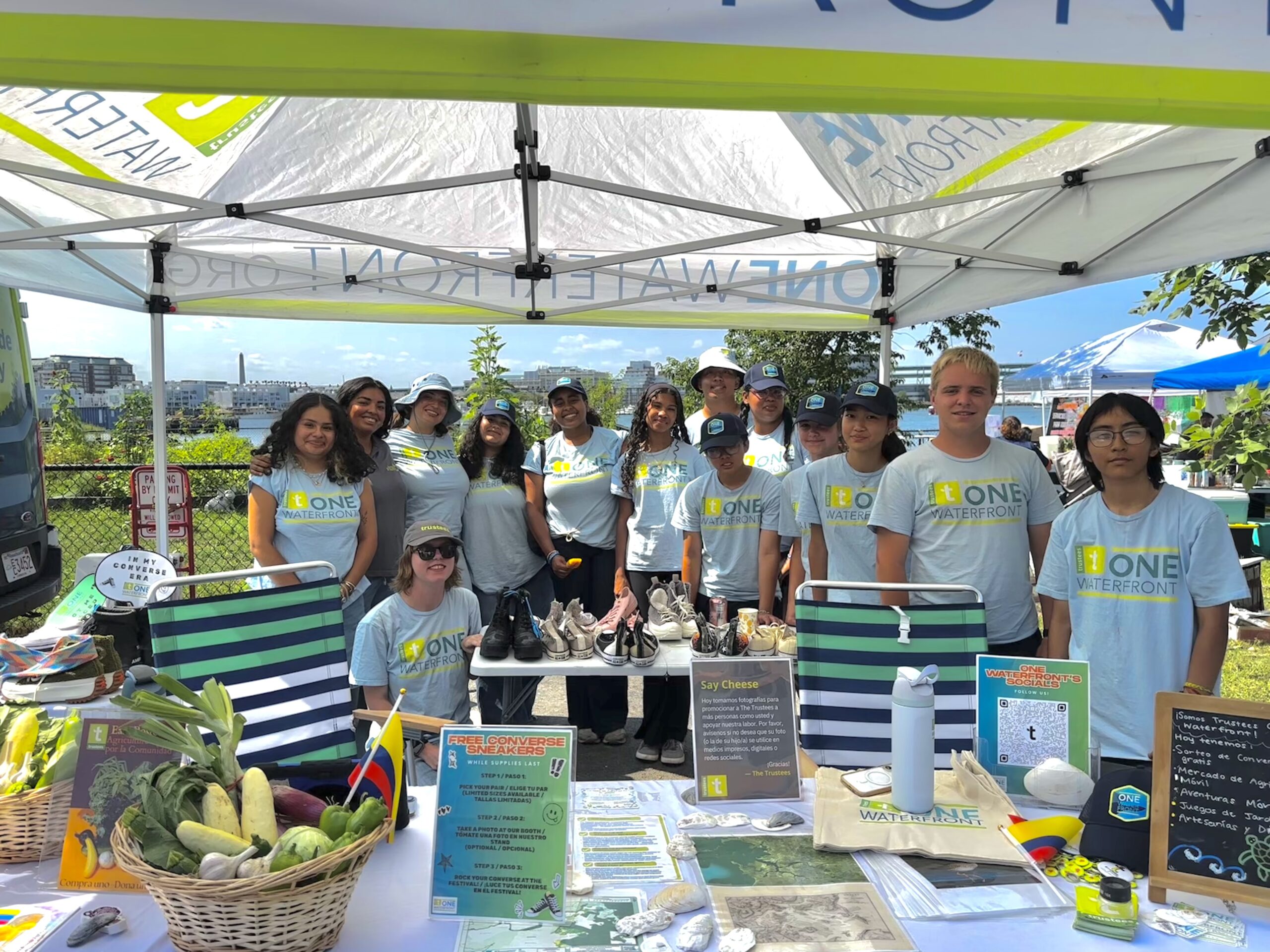
The Outdoor Ambassadors program is a seven-week youth employment and leadership development program that engages young people ages 15 through 18 in hands-on stewardship, environmental education, and community-based learning experiences across Boston and beyond. Formerly known as Waterfront Ambassadors, the program was renamed to better capture the broad range of experiences youth engage in throughout the summer.
Highlights include a visit to Boston City Hall and to the Massachusetts State House focused on climate resilience and civic engagement, mentorship opportunities with Boston University PhD students, and youth-led public engagement through the “Meet the Ambassadors” Pop-Up Series. The Ambassadors will have a presence at the Eastie Farmers Market where they will be helping distribute CSA produce from the Mobile Market. They will participate in days of collaboration and exchanges with The Trustees Urban Outdoors year One partners including Pocasset Pokanoket Land Trust (PPLT) and Worcester REC.
The program also connects youth with Trustees special places across the state. In Boston, Ambassadors will visit Nightingale Community Garden, City Natives, and Leatherbee Woods. At City Natives, the Ambassadors will engage with Trustees Employee Resource Groups—Conservation in Color and Trustees Pride—for professional development. Ambassadors will explore Indigenous art, history, and connections to the environment, at Fruitlands Museum in Harvard. They will take part in an overnight experience at Crane Beach on the Crane Estate where youths will kayak to Choate Island while learning about coastal ecology, archaeology, Indigenous history, and intertidal ecosystems.
The summer concludes with youth-led research presentations and a celebration of the relationships, leadership skills, and environmental knowledge developed throughout the season. Keep an eye on our blog for updates on the program this summer.
Join The Trustees’ America 250 Challenge
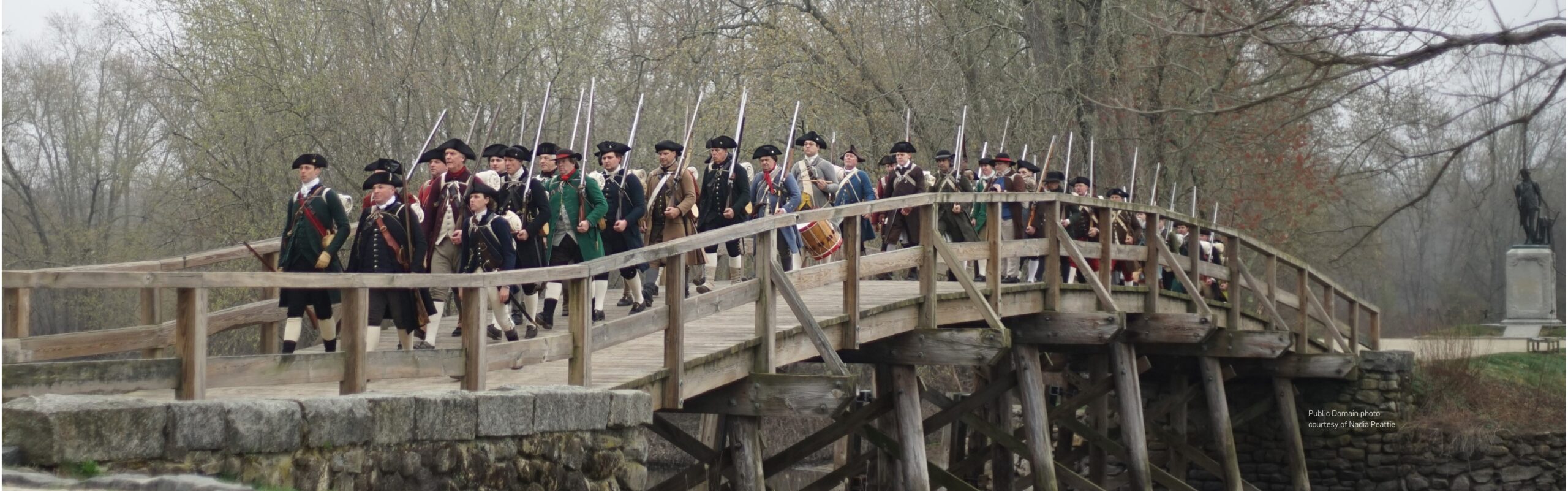
As Massachusetts celebrates the nation’s Semiquincentennial, we invite Trustees Members to embark on a challenge of discovery at special places across the state. Download the American Independence Tour passport, which highlights ten properties from Sheffield in the Berkshires to the North Shore coast of Marblehead. Discover untold histories and diverse perspectives often left out of the national narrative, alongside familiar watershed moments and the people and landscapes that influenced them. Each place is packed with stories, landscapes, and landmarks that shaped our nation’s founding. Visit and check off all the sites on the downloadable map, and submit your completed map at TheTrustees.org/Independence by September 1, for a chance to win a free year extension on your Trustees Household Membership.
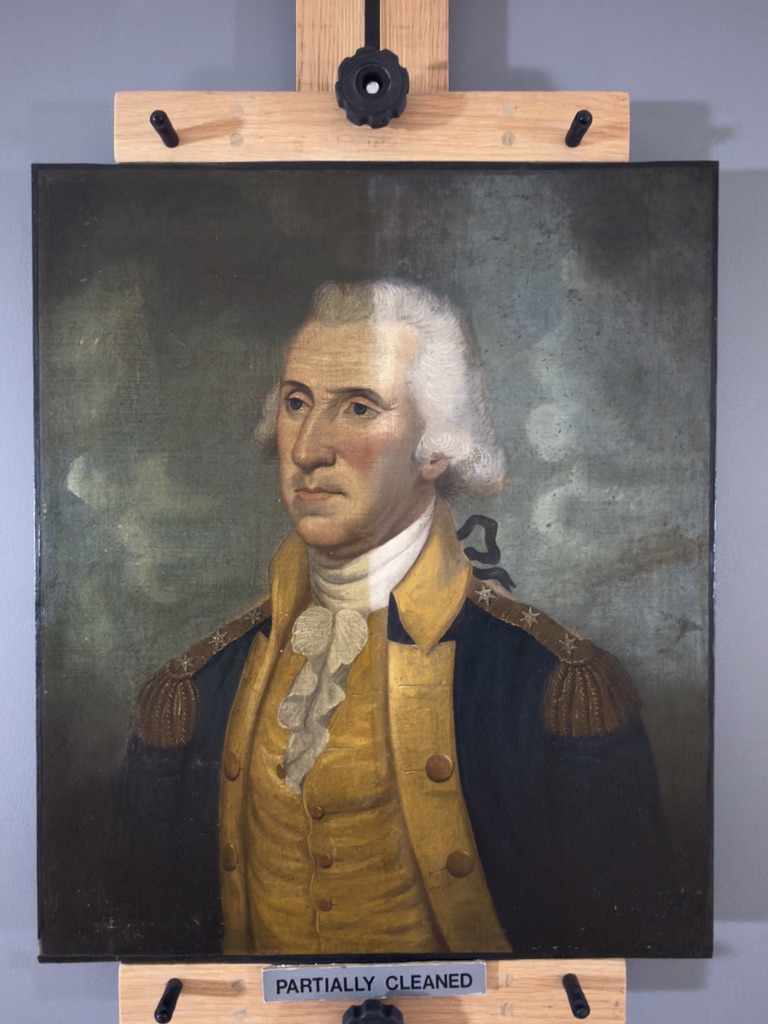
Long-Lost Portrait of George Washington Discovered in Appleton Farms Collection
Founded in 1638, Appleton Farms is the oldest continuously operated farm in America and among the most influential in the country’s agricultural history. It was also home to nine generations of Appletons—from 17th-century English emigrant Samuel Appleton to 20th-century lawyer Francis R. Appleton Jr—who loved their bucolic farm in Ipswich. This year, as we celebrate our nation’s 250th Anniversary, a serendipitous discovery has revealed the provenance of a portrait of founding father, and America’s first president, George Washington, in the Appleton collection.
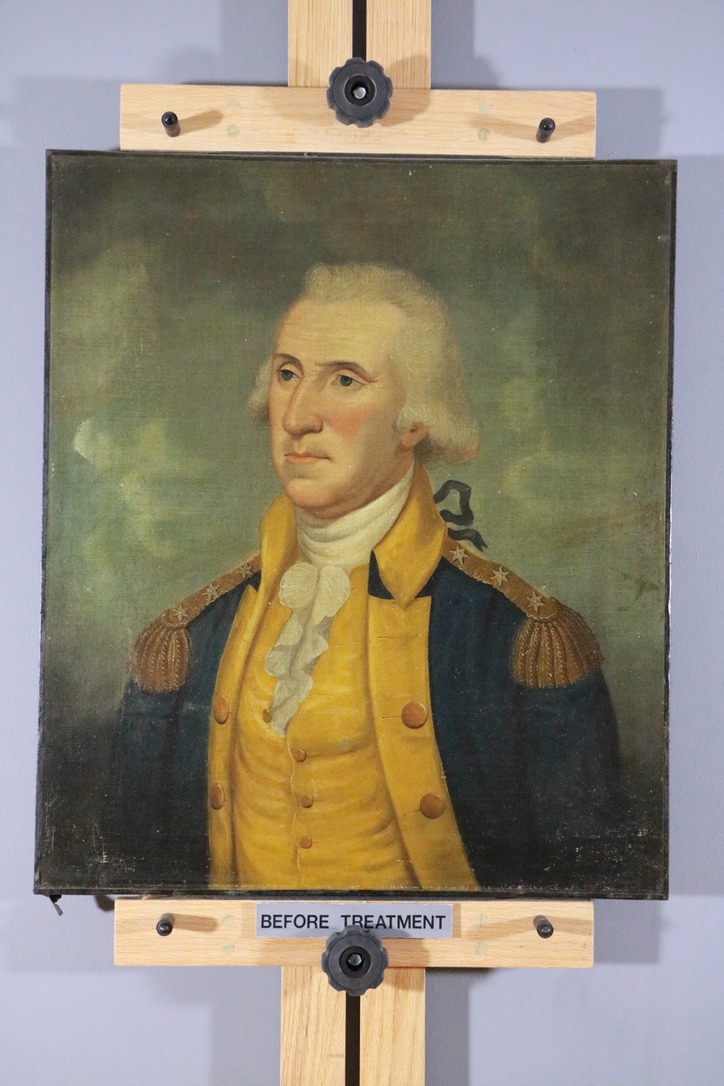
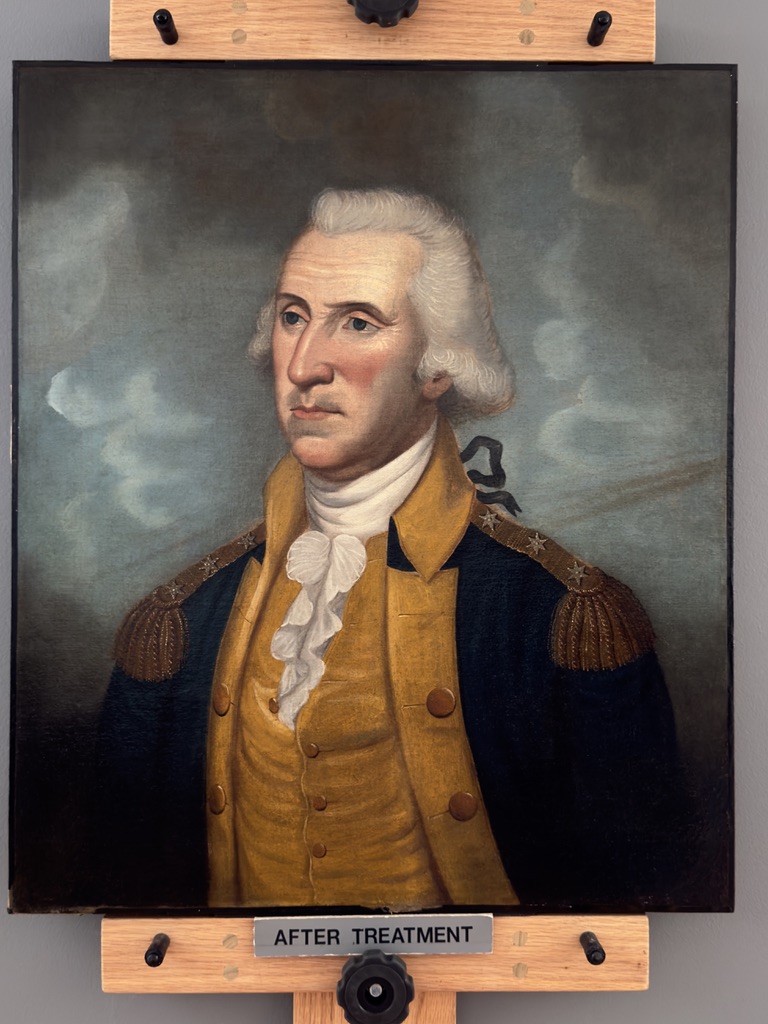
According to Susan Hill Dolan, Curator for the Trustees North Shore Region, “There were art collectors in the Appleton family. The most passionate among them was Daniel Fuller Appleton (1826-1904), who amassed a diverse collection of antiques, many of which we categorize today as ‘Patriotic Americana.’” This rich collection, inherited by The Trustees as part of the family’s 1998 bequest, includes the striking, bust-length, and unsigned, oil-on-canvas portrait of General Washington in uniform set against a dramatic, cloud-filled sky.
As Hill-Dolan tells it, “Fast-forward to the winter of 2026—200 years after the birth of Daniel Fuller Appleton—when I discovered a nearly identical, circa 1798 portrait, attributed to Charles Peale Polk (1767-1822).” Research has since confirmed that Polk was, indeed, the artist of the portrait in the Appleton collection. Additionally, it has recently been discovered that a partial, hand-written note on the reverse of the painting appears to convey true provenance information—a fact that previous appraisers had not considered. Dated 1888, the note includes the name Alexander Balmain. A 1981 Corcoran Gallery of Art exhibition catalog entitled Charles Peale Polk, 1767-1822: A Limner and His Likeness, helps confirm that The Trustees’ portrait—Entry No. 42, with its current owner listed as “unknown”— was, in fact, originally owned by Rev. Alexander Balmain, Winchester, VA. Balmain was an Episcopal minister who supported the American cause and had dealings with Washington.
The path that brought the portrait to Daniel Fuller Appleton’s collection has not yet been fully established, but “we do know he bought numerous paintings by well-known artists in the 1880s, as revealed through receipts in our archives,” says Hill-Dolan. The Corcoran exhibition catalog notes that this portrait was known to exist through Balmain family correspondence, which also claims it was painted from life. The full provenance lists Balmain, then his widow, then her nephew, father of a 19th-century painter Edward C. Bruce and curator at the Corcoran Gallery. It is noted that the Bruces tried to sell it to the Corcoran Gallery in 1884, but the museum did not buy it.
Where the portrait went in 1884 is still unknown, but it is likely that Daniel Fuller Appleton purchased it, either then or possibly in 1888, which may explain the date on the note. “Though research continues, the discovery is already a compelling one,” adds Hill-Dolan. “It connects the Appletons, one of New England’s founding families, with an important portrait of George Washington, a founding father of the nation, painted by Charles Peale Polk, a significant artist of the Revolutionary War era. In the year of America’s 250th anniversary, this newly understood provenance adds a thrilling chapter to The Trustees’ history.”
Hear more about the painting and Hill-Dolan’s reasearch in this blog article.