Photo by Jamie Malcolm Brown
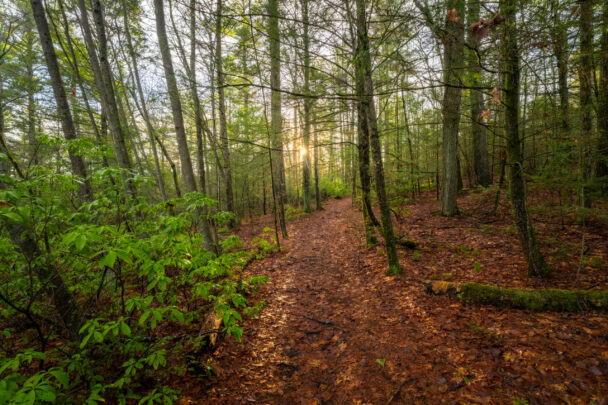
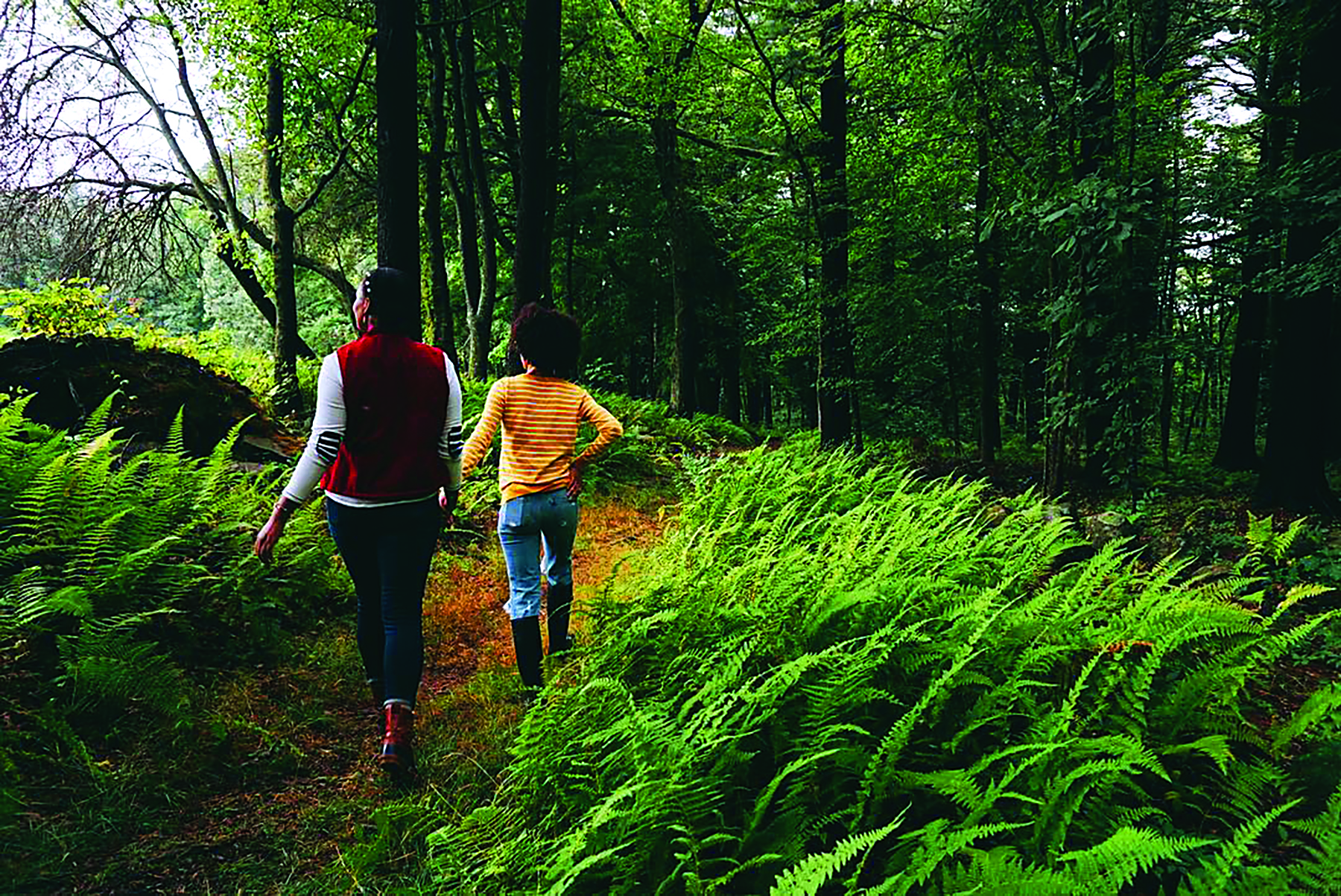
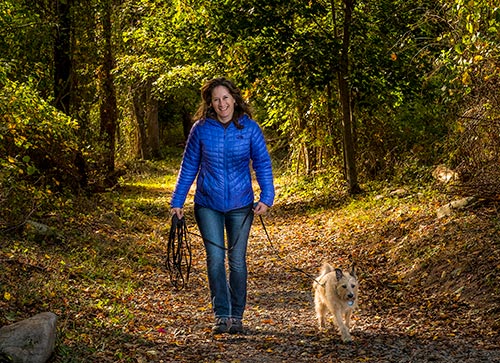
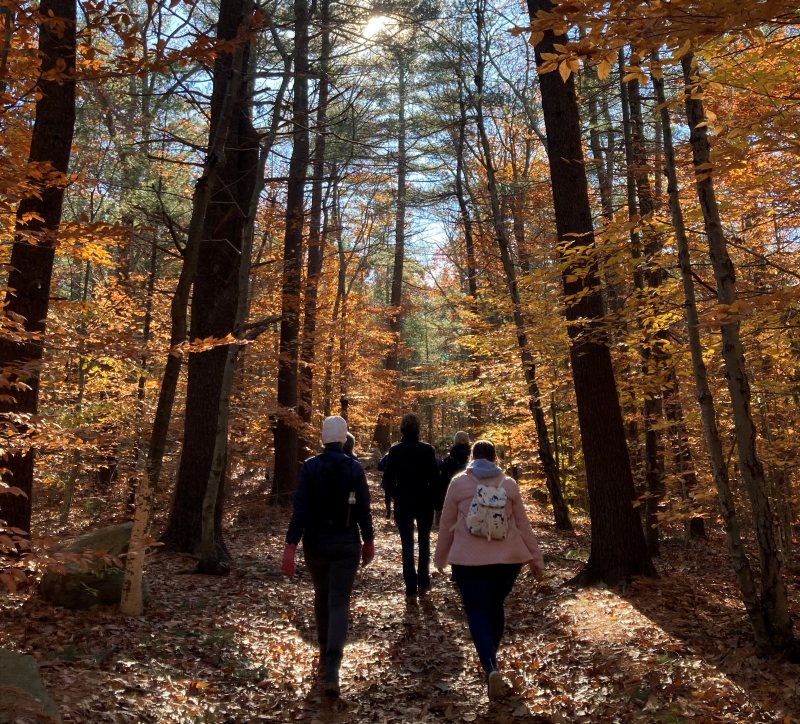
Hike, snowshoe, and more on the Robert Frost Trail and many others in these newly conserved woods.
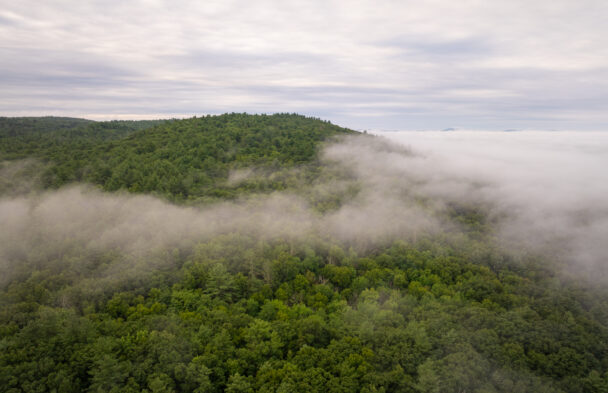
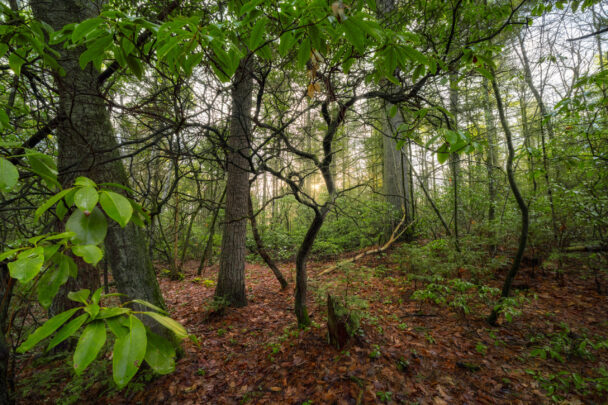
Thanks to its important location in a large block of forestlands, Sarah Cowls Forest at Pelham Hills has many access points from neighboring conserved lands and trails.
This connection with the Robert Frost Trail provides access to conservation areas around Pelham, including Mount Orient and the Amethyst Brook Conservation Area. Walk, mountain bike, or run the moderate-to-challenging trails along pathways that do not disappoint with woodland wonders.
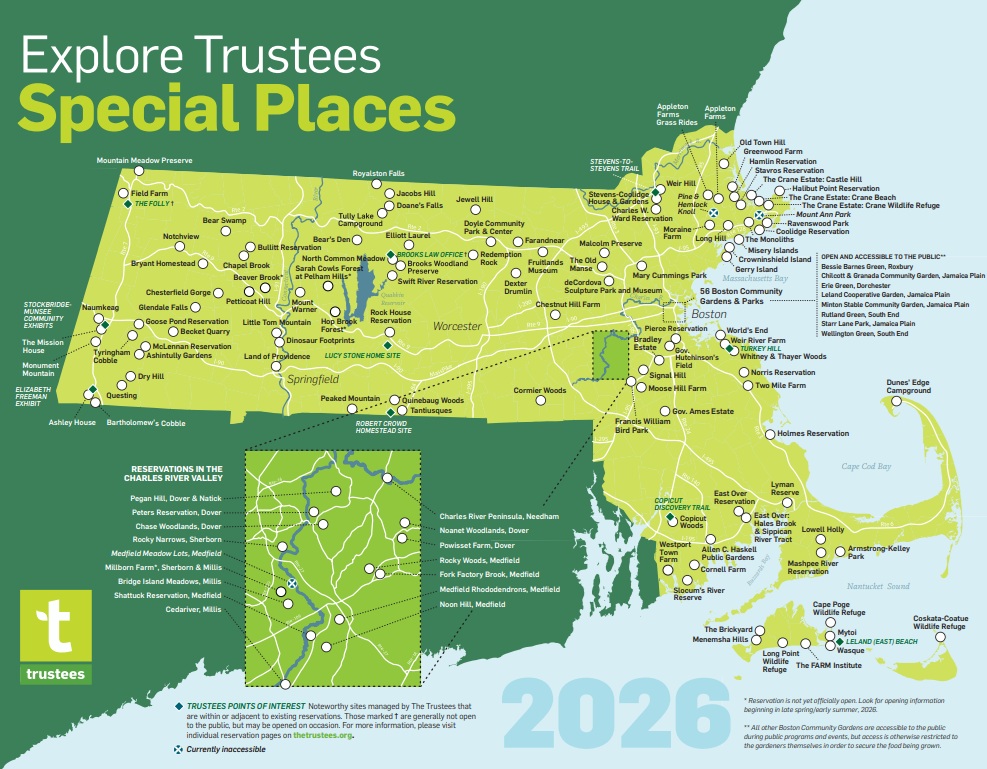
Access points and trail maps will be under development through 2028. Please check back here for updates prior to your visit.
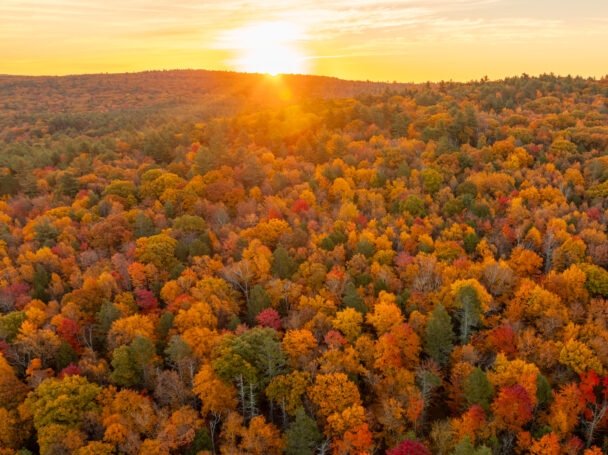
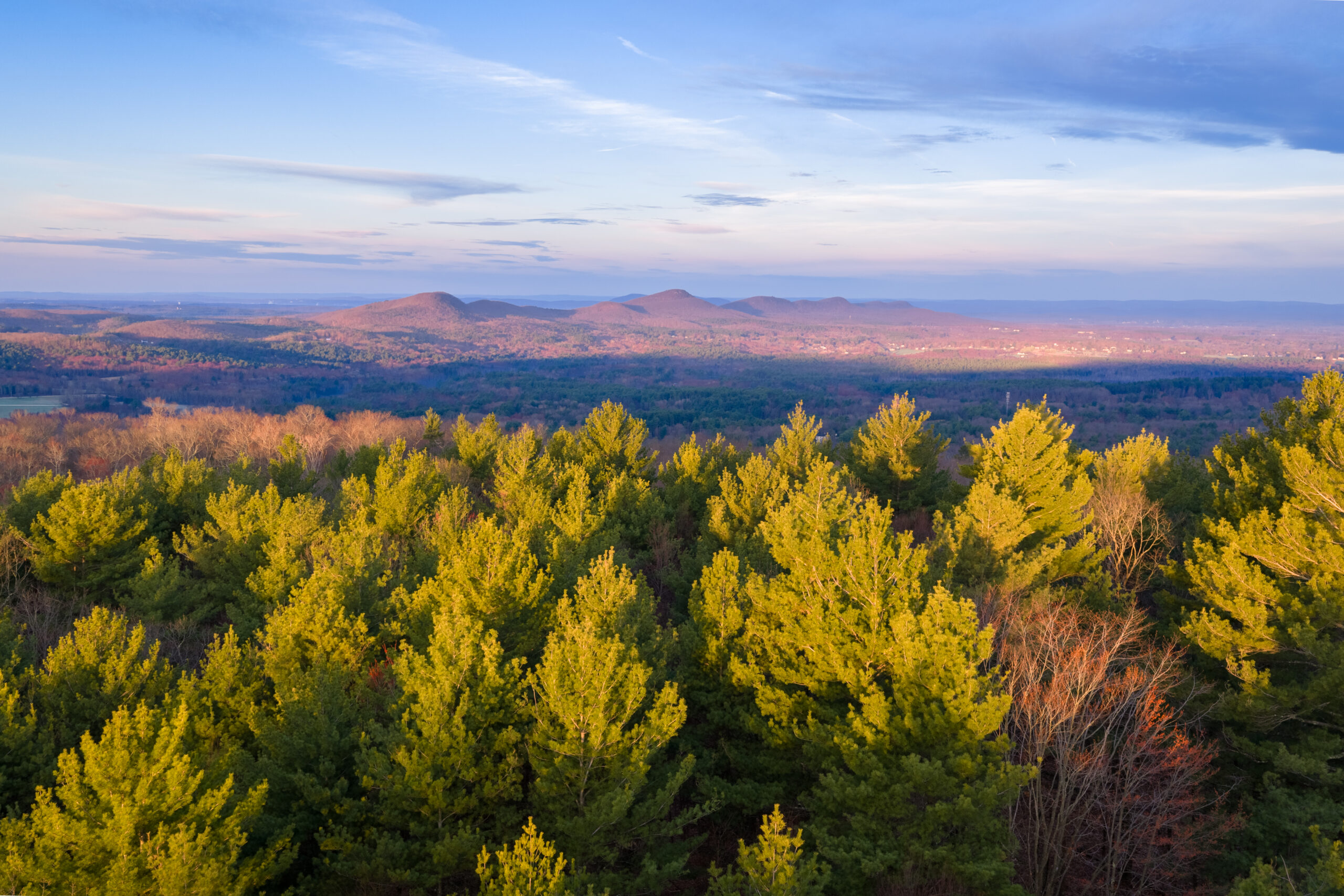
Head South along the Robert Frost Trail to reach Mt. Orient with a lookout over the Connecticut River Valley. Or trek North along the Trail to Poverty Mountain for an hour-long hike to this subtle peak where views abound, especially during the early spring before the leaves come out.
Wait until winter weather hits for great cross-country skiing and snowshoeing.
When To Visit
Admission
Sarah Cowls Forest at Pelham Hills
Old Pratt Corner Rd
Pelham, MA 01002
Get directions on Google Maps.
Trail link to the Robert Frost Trail, which also connects the Sarah Cowls Forest at Pelham Hills to Amethyst Brook Conservation Area and Amethyst Brook Nature Retreat (to the South), and Houston Gage Conservation Area and Mt. Boreas Nature Retreat (to the North).
We recommend that you download a trail map on your phone before you head out.
Advisories
Born in Amherst, Massachusetts as the only child of Walter Dickinson Cowls, Sarah Cowls Jones was a transformative figure in the agricultural landscape of the Connecticut River Valley.
Sarah ran a massive farm operation in Amherst and owned thousands of acres of land throughout the region—all before women had equal rights. She was an award-winning farmer who raised Ayrshire cattle, woolly Dorset sheep, and peacocks. Despite this leading role, she couldn’t vote until age 33, and her husband’s name appeared on all her farm products like milk, tobacco, onions, and potatoes.
Often riding across the Pelham Hills on horseback, Sarah skillfully steered her family farm through profound societal changes. While other Valley landowners sold their property to developers during and after the Great Depression, Sarah played the long game. Her diverse farming ventures and smart land decisions ensured that these forests remained open and available for conservation.