Communities are facing the growing impacts of climate change, from more frequent storms and flooding to rising heat and food insecurity.
Cities are both at the center of these challenges and essential to the solutions. Access to green space, healthy food, and resilient landscapes is uneven, and communities with the fewest resources are often the most affected and the least able to recover.
Urban green spaces, including community gardens, urban farms, parks, urban wilds, and neighborhood gathering spaces, play an increasingly important role in climate adaptation, public health, biodiversity, food access, and community connection.
For The Trustees, this moment calls for an expanded approach to conservation. Protecting special places must include the landscapes where most people live. Urban Outdoors reflects this commitment by working with communities to steward, strengthen, and expand access to urban green spaces across Massachusetts.
How This Work Is Shaping Our Future
Urban Outdoors is helping The Trustees develop a roadmap for urban conservation across Massachusetts. Through partnerships, pilot projects, and community engagement, we are exploring how conservation organizations can work alongside local leaders to protect, steward, and activate urban green spaces in ways that reflect community priorities and create lasting impact.
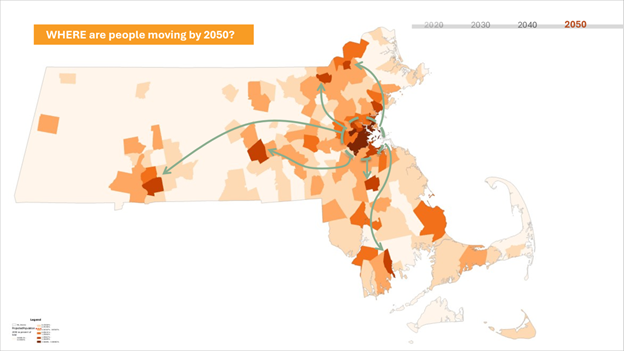
The initial cities were identified through mapping existing partner organizations and community relationships, and data analysis where access to green space, healthy food, and climate resilience are most urgent. Cities that were prioritized experience at least 3 or more climate hazards, are home to at least 70% Environmental Justice populations, have a population over 100,000 or will experience 40% population growth by 2050, are within 15 miles of a Trustees property, and have at least one viable partnership opportunity. The top 10 cities in order of ranking by the data are: Boston, New Bedford, Worcester, Chelsea, Springfield, Quincy, Lynn, Lowell, Brockton and Revere.
Grounded in partnership and informed by community leadership, this work is shaping a clearer approach to urban land access, conservation, and engagement—and how we grow this work across Massachusetts over time.
Where We Work
Urban Outdoors is currently focused in cities including Holyoke, Springfield, and Worcester with the long-term goal of building a statewide network of community-rooted conservation and stewardship partnerships.