The land The Trustees cares for is shaped by many stories—past and present. Some are well known; many more still wait to be learned, uncovered, and shared.
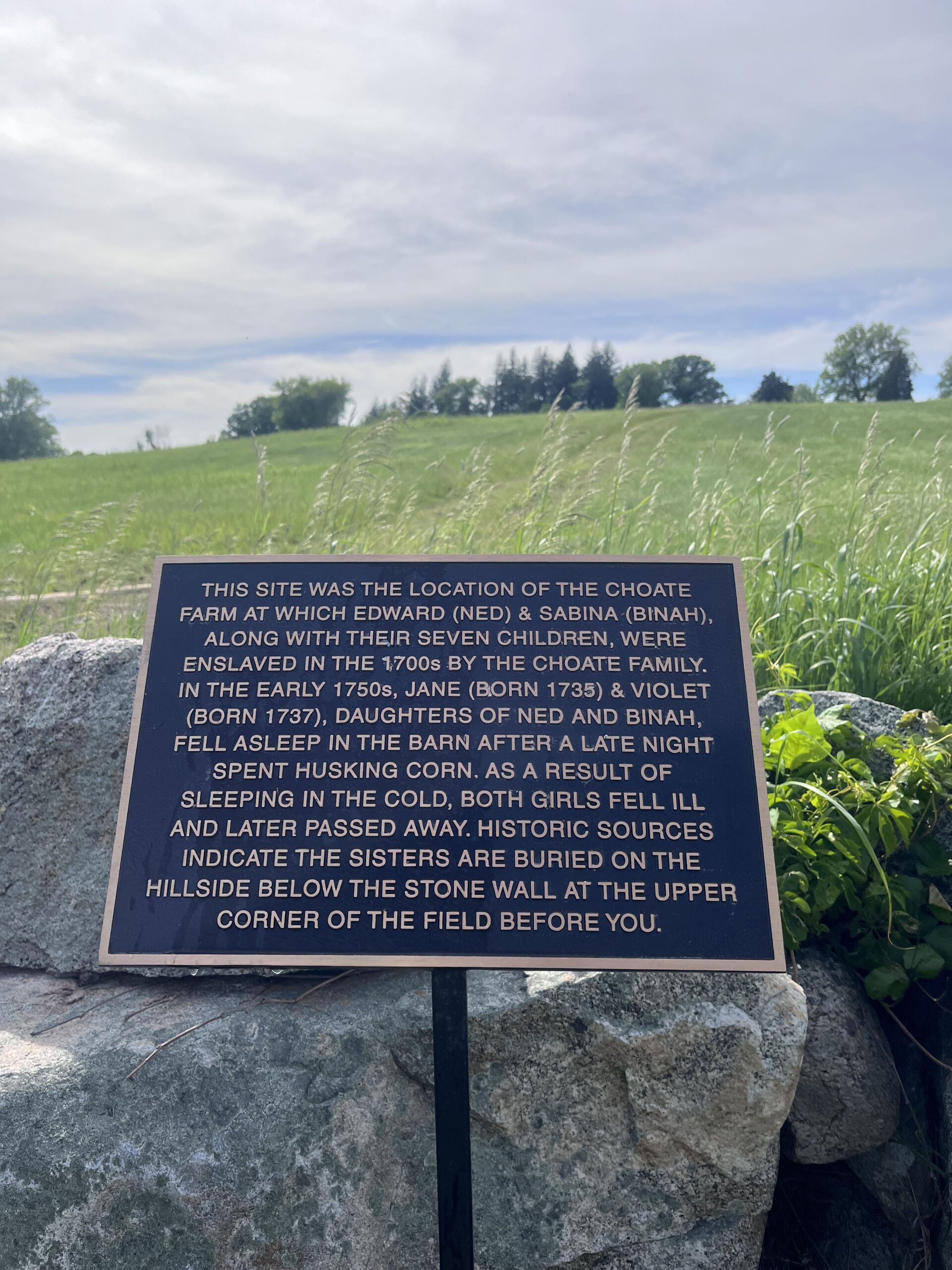
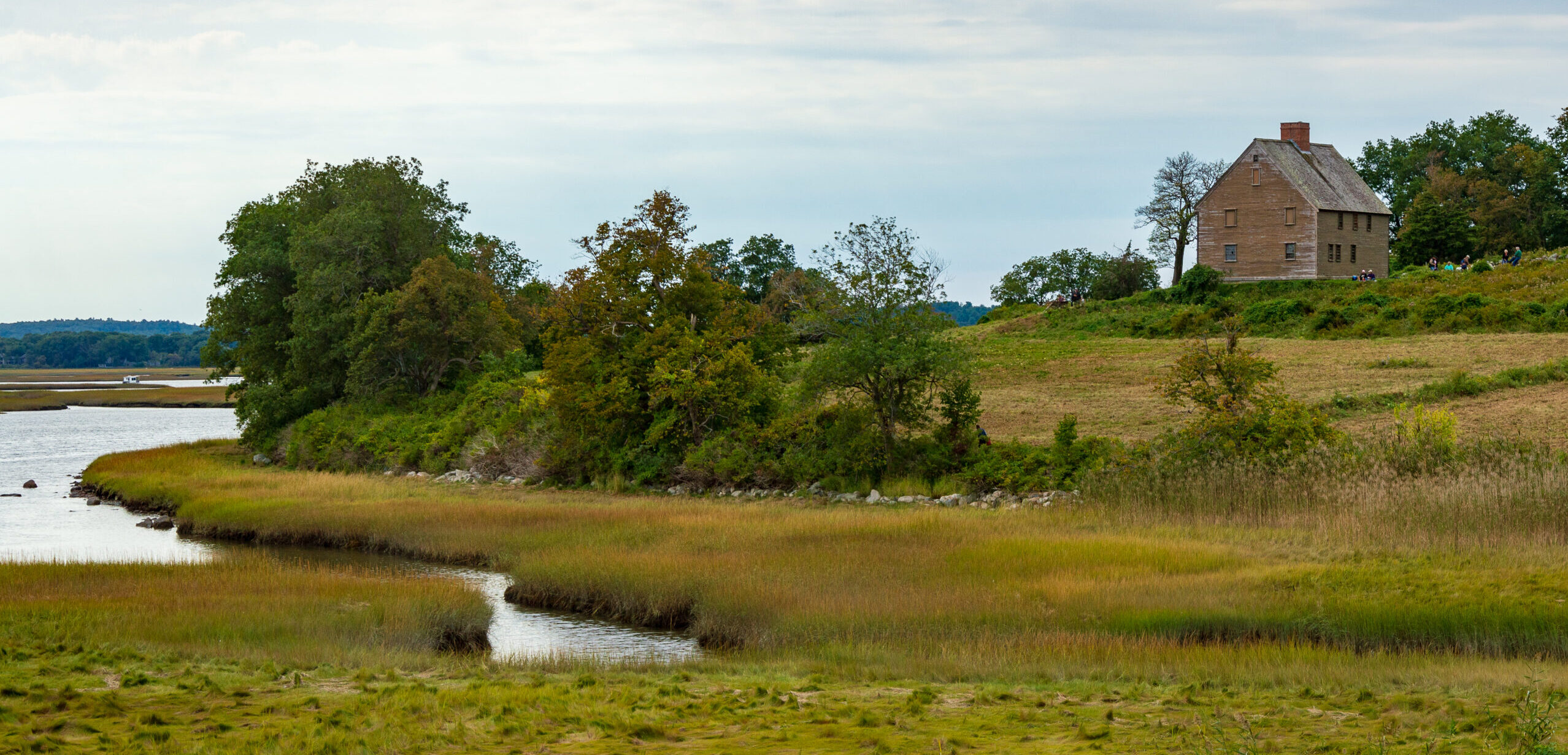
One such history is that of the enslaved people who lived on Choate Island, part of the Crane Estate’s Crane Wildlife Refuge in Ipswich. Ned and Sabina were enslaved there in the 1700s with their seven children, including daughters Jane and Violet. In the early 1750s, the teenage sisters became ill after working late in a cold barn. Family papers from the time suggest Jane and Violet died soon after and are buried on Choate Island.
History Uncovered
Ipswich parish birth, death, and baptism records, letters, and family papers reveal details that introduce us to stories like Jane, Violet, Ned, and Sabina’s. However, they often reflect only what enslavers and record keepers deemed important, leaving painful gaps that require care and commitment to interpret and uncover. “Some people are surprised to learn slavery was common and prevalent here,” says Val Perini, Trustees Regional Education Manager for the North Shore. “This history has been purposefully obscured.”
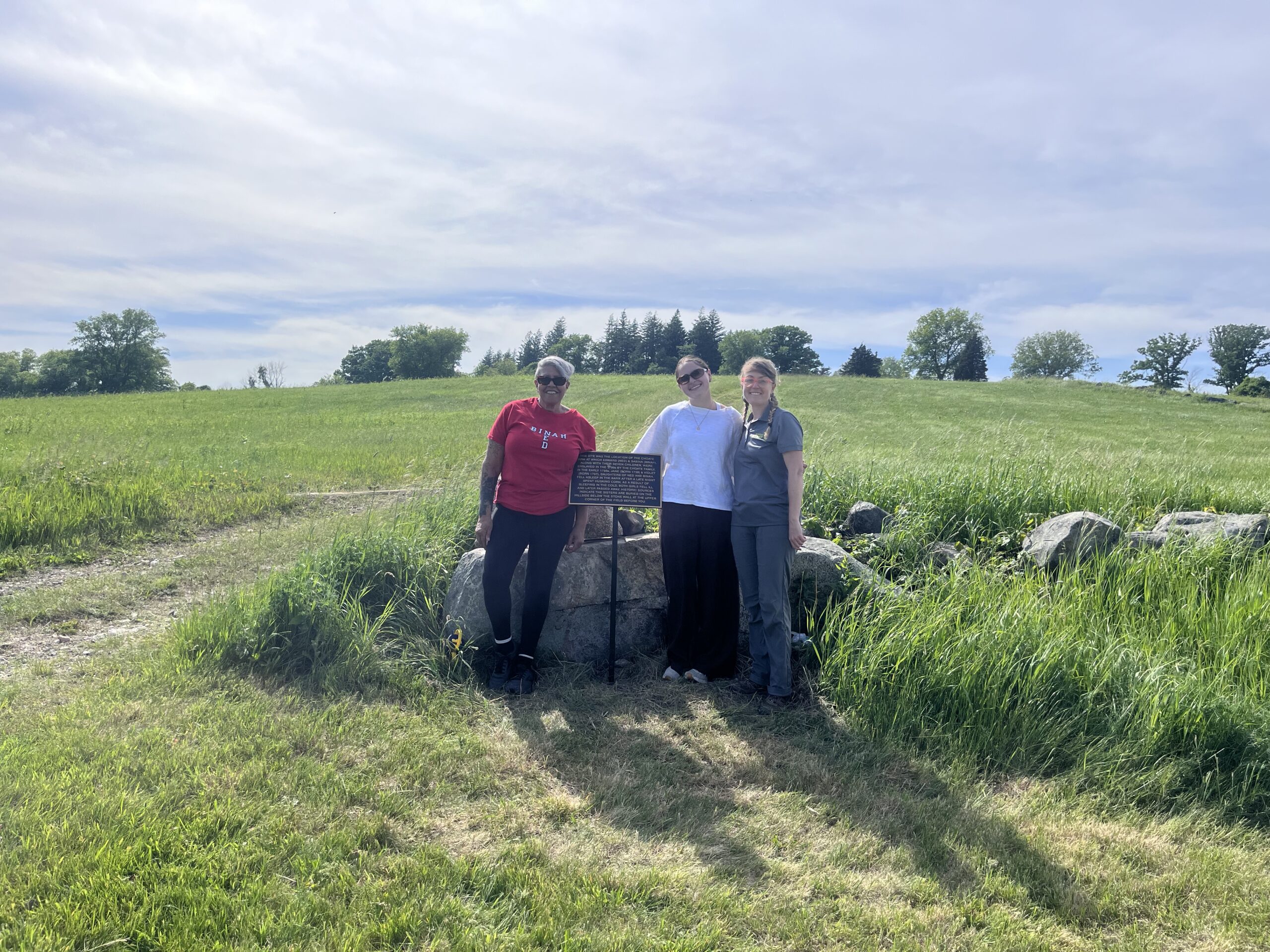
This spring, The Trustees installed an historic marker on the island to formally acknowledge enslaved peoples’ lives and this painful history. It is an important step, made possible because people both inside and outside The Trustees championed the memory of Jane, Violet, and their family.
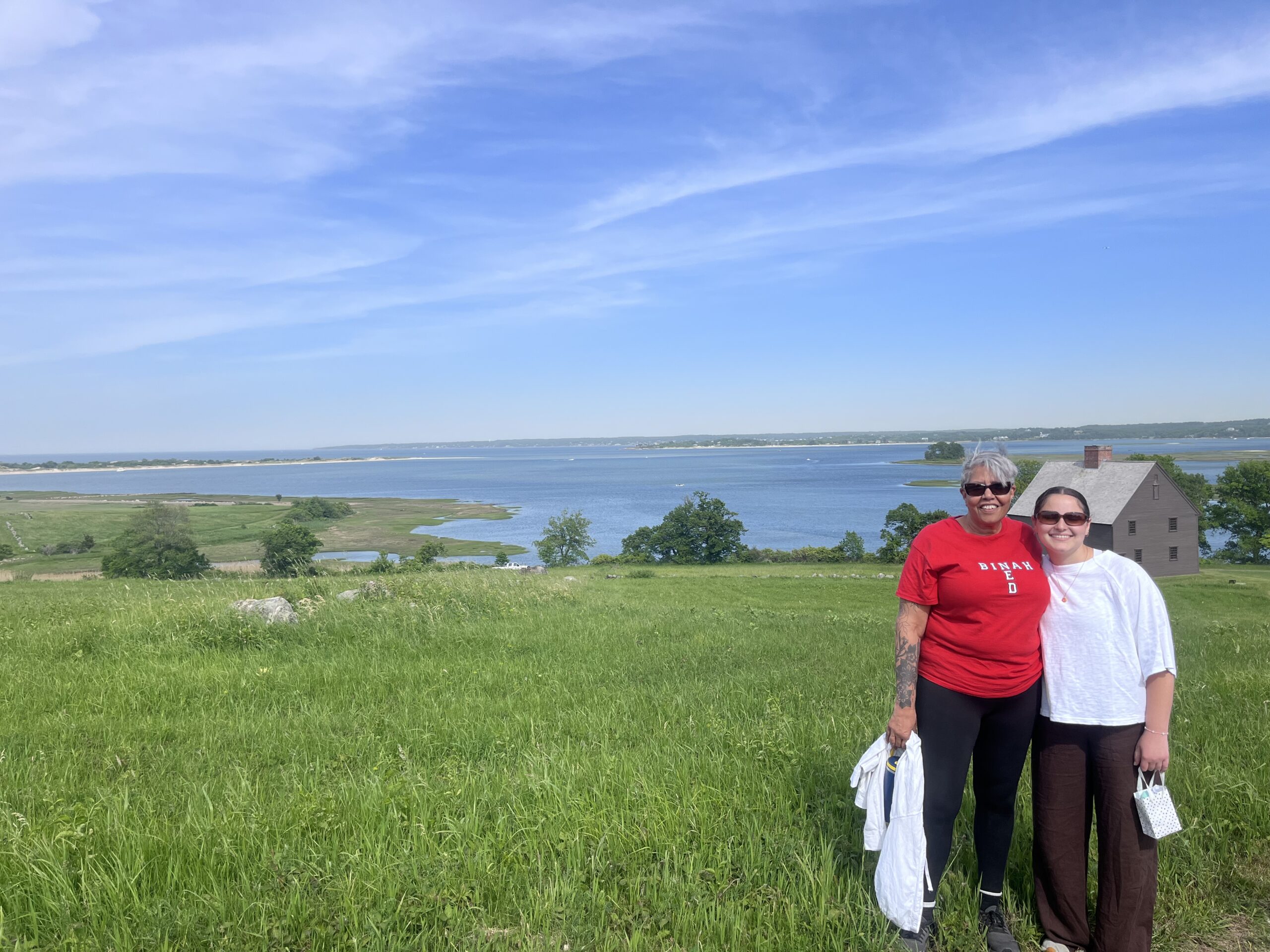
That effort was driven in large part by Maddie Jay, a local civics student, and Debbie Bynoe, a descendant of Ned and Sabina. Through their research and advocacy, Jane and Violet’s story moved from the margins of archived records into the living history of Choate Island.
Debbie first learned of her family’s direct connection after her pastor connected her to researcher Rachel Collopy, a direct descendant of the Choate family who is working to uncover the hidden histories of enslaved individuals. “Learning that someone in my family was enslaved was not a surprise,” Debbie says. “Learning that they were enslaved 30 minutes from where I live was surprising. Knowing our story began here helps answer the question, ‘How did we get here?’ My family has lived on the North Shore for more than 300 years.”