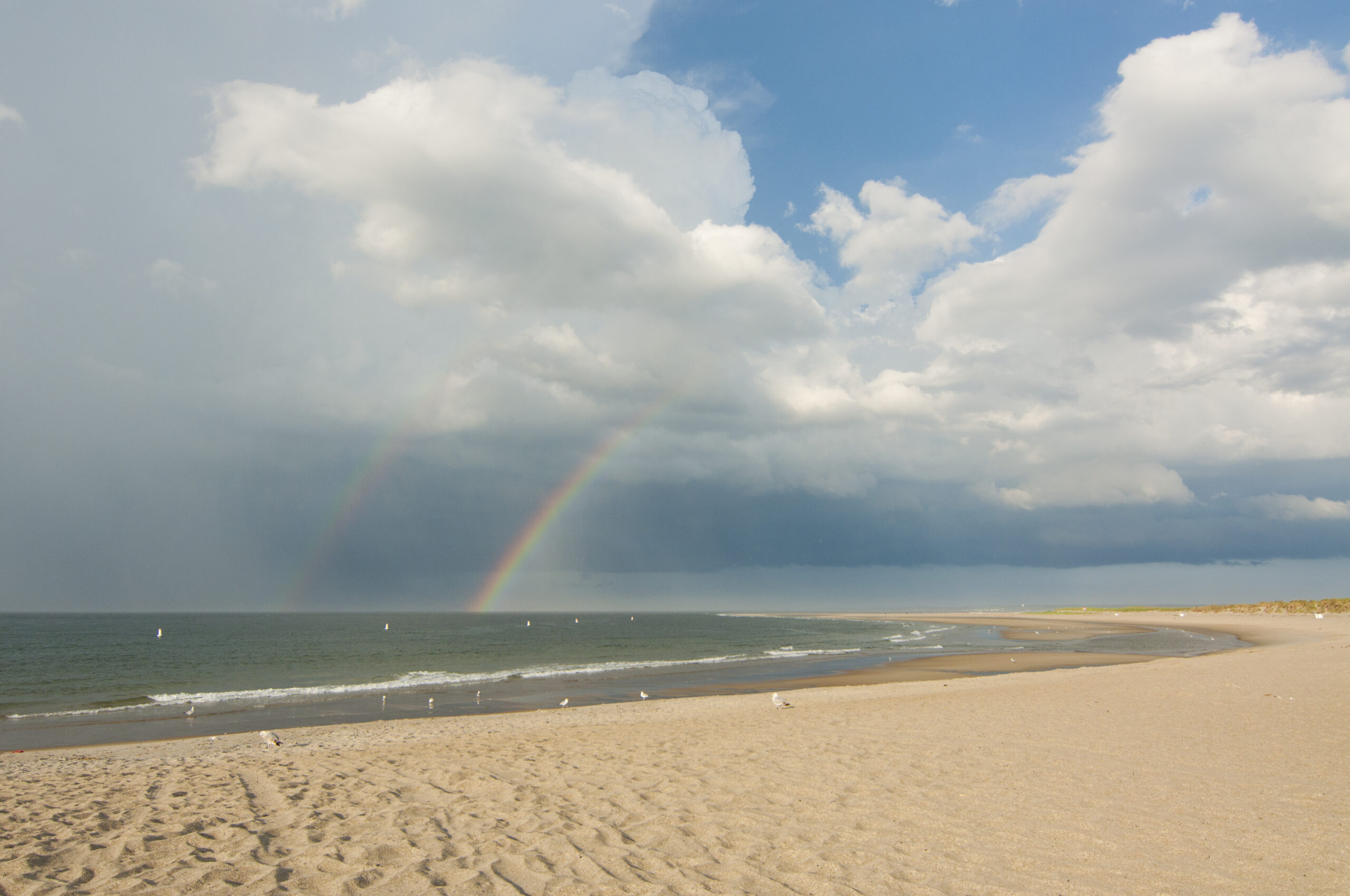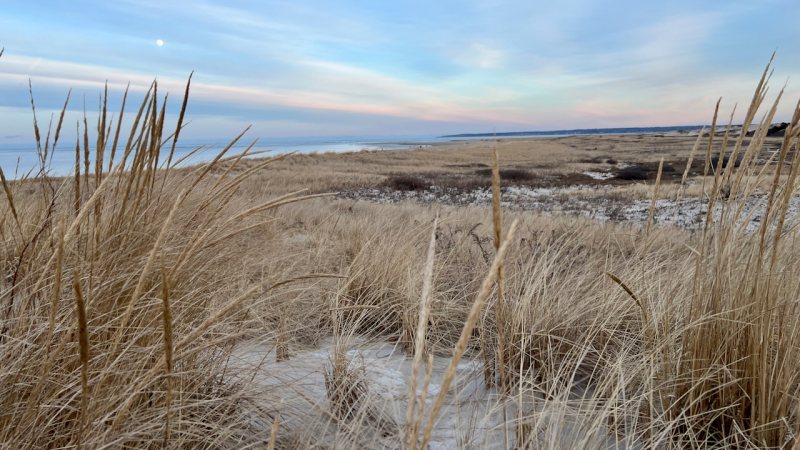
Coastal dunes at Crane Beach in Ipswich.
Overview
Barrier beaches are some of the most dynamic natural systems. However, they are also vital to protecting our coastal communities. These dynamic ecosystems are the first line of defense against storms, protecting upland communities and the marshes and bays that thrive behind them. With sea level rise and more intense storms due to climate change, barrier beaches are experiencing increased erosion and flooding, leaving the habitats within and behind them vulnerable. Building the resilience of barrier beaches is therefore critical for the protection of wildlife habitat and biodiversity, as well as for preserving the cultural, recreational, and economic value of coastal communities.
The Trustees protects more than 120 miles of coastline in Massachusetts, only the state and the U.S. government protect more. Of these miles, 22 are some of the state’s best examples of barrier beaches and provide habitat for rare shorebirds including piping plovers, American oystercatchers and three species of terns as well as many additional rare plants and animals. Simultaneously, hundreds of thousands of visitors use these same beaches for recreation annually making these precious miles some of the most sought-out lands for both wildlife and people. Given these beaches are also naturally dynamic and subject to considerable erosion from climate-driven sea-level rise and storm surge, The Trustees have a responsibility to champion and innovate stewardship of these beloved hotspots for biodiversity.
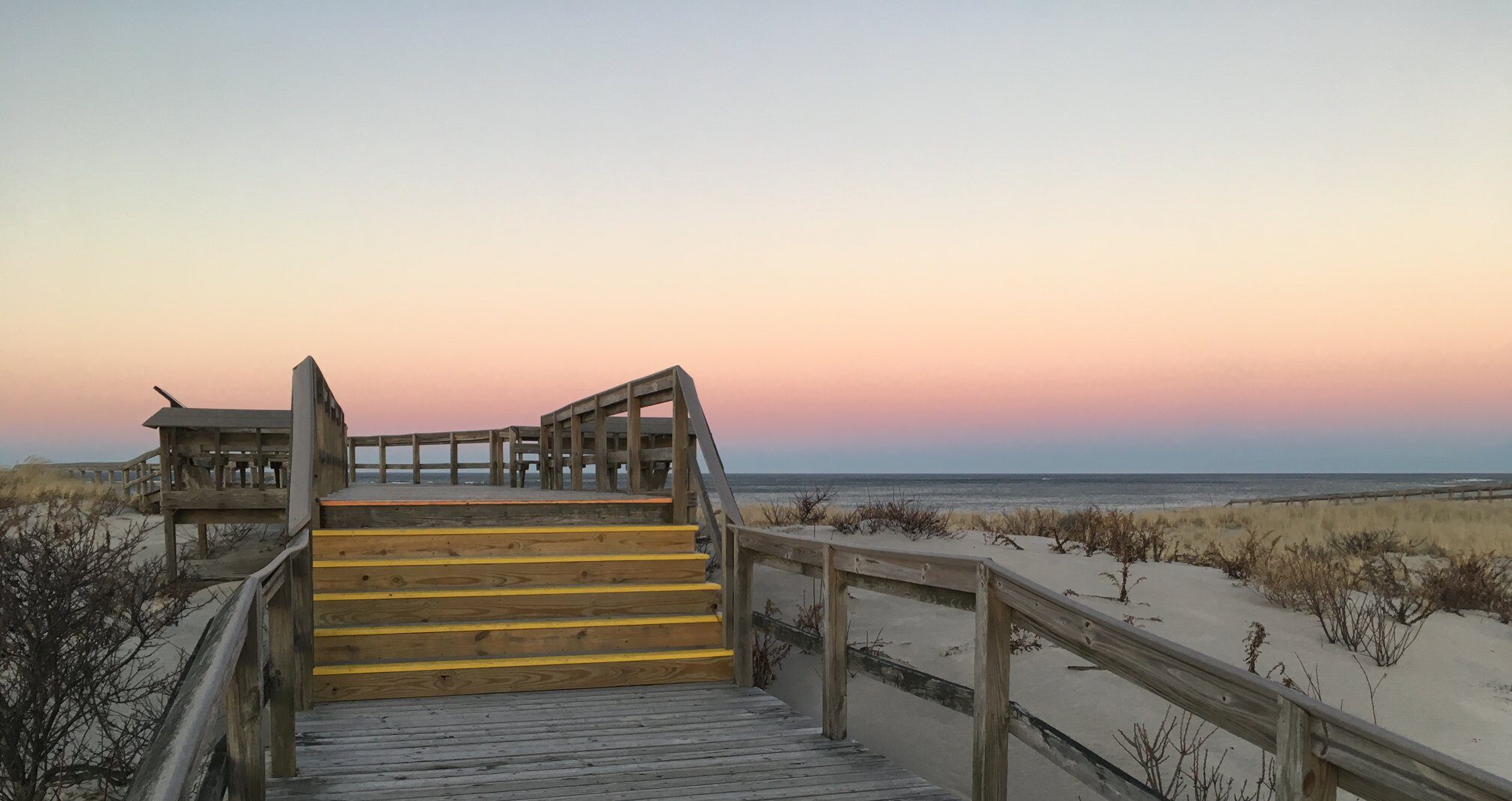
Crane Beach in Ipswich
Our Strategy
The Trustees have a long history implementing a range of management practices aimed at limiting beach degradation while ensuring public access and enjoyment. These activities range from large scale restoration projects such as beach nourishment to small scale management like fencing to limit impacts to vegetation and dune stability. This also includes developing and enforcing regulations that limit activities that can conflict with wildlife and resources protection. Much of this work is described and implemented through property or beach management plans, but some are stand alone projects such as the Crane Beach Dune Restoration implemented in the 1980s where boardwalks and vehicle ramp were installed to funnel visitors to and from the parking area and beach. This effort included dune creation and beach grass planting with extensive fencing and signage that has been extraordinarily successful, resulting in many meters of dune building over more than 20 acres.
With the advent of climate change-driven impacts to our coast, The Trustees is advancing barrier beach resilience projects on its beaches, particularly on Nantucket and Martha’s Vineyard. The barrier systems on these islands include Cape Poge Wildlife Refuge, Wasque Reservation, Long Point Wildlife Refuge, and Coskata-Coatue Wildlife Refuge. These are some of the most stunning examples of coastal beaches and ecosystems in the state. We created a documentary in partnership with Nantucket Conservation Foundation to share the story of Coskata-Coatue Wildlife Refuge. You can watch it here.
Our strategy centers on working with natural coastal processes and, where appropriate, augmenting those processes with nature-based techniques that increase resilience to climate-driven erosion and flooding. Overall, our approach is to work with nature and intervene minimally to maintain access and environmental services, including habitat and biodiversity.
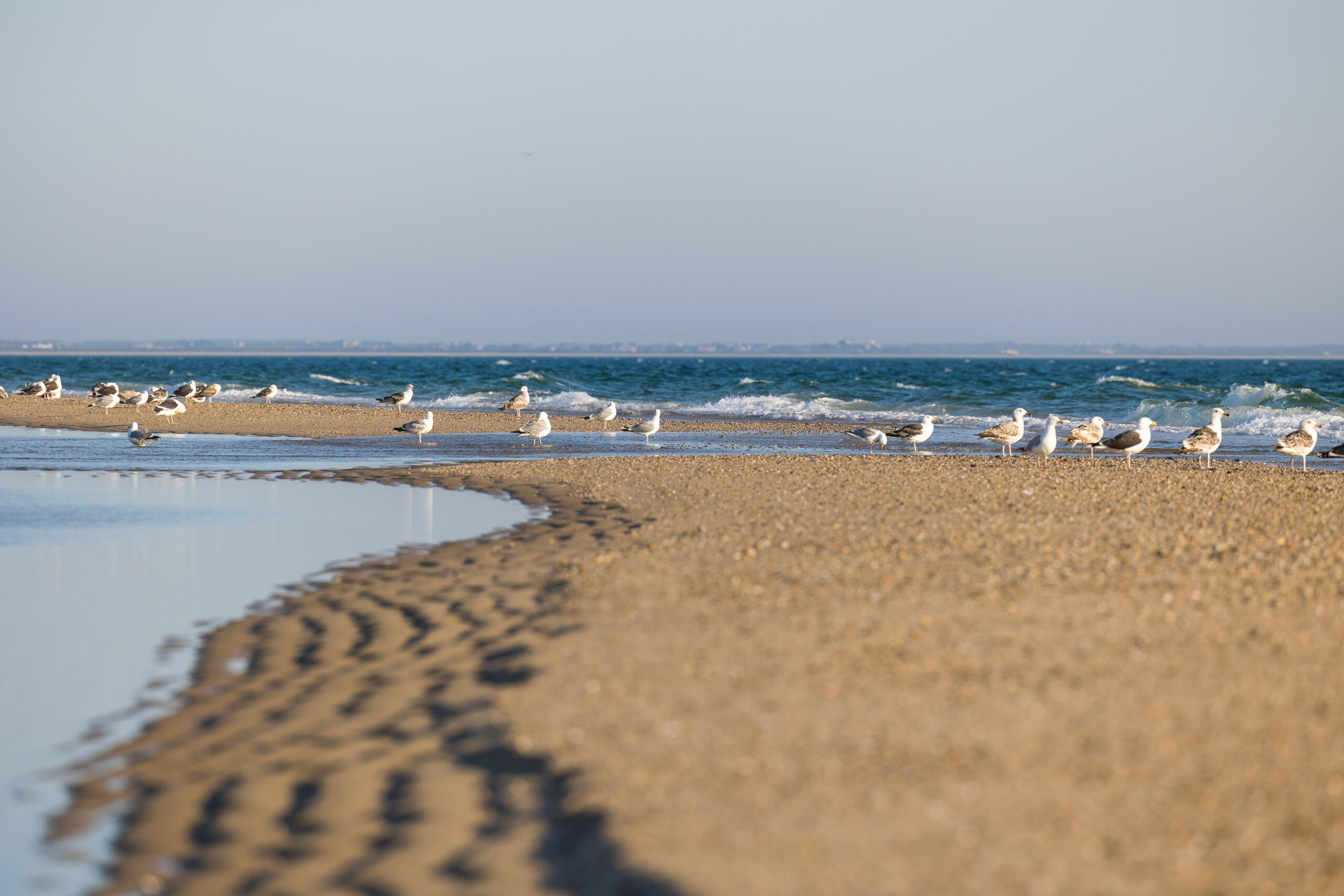
Coskata Coatue Wildlife Refuge on Nantucket. Photo by Above Summit
Ongoing restoration projects explore the feasibility of various nature-based solutions on our barrier beaches. These include, but are not limited to, the following approaches:
- Dune restoration and enhancement – entails rebuilding and stabilizing dune systems through the use of native vegetation, sand fencing or other sediment trapping techniques, and other techniques that enhance sediment capture along dunes or shorelines.
- Living shorelines – designed to attenuate oncoming wave energy along shorelines. These range in design and materials but generally aim to both accrete sediment and reduce active erosion to protect the habitats within and behind barrier beaches.
- Access trail management – relocating, closing, or restoring access trails for pedestrian and Over-Sand Vehicle (OSV) use throughout barrier beaches, carried out to balance human recreation and ecosystem health and resiliency.
Together, these and other nature-based approaches help preserve the dynamic character of barrier beaches while building their resilience to climate change, therefore preserving their suite of environmental services including habitat and coastal community protection.