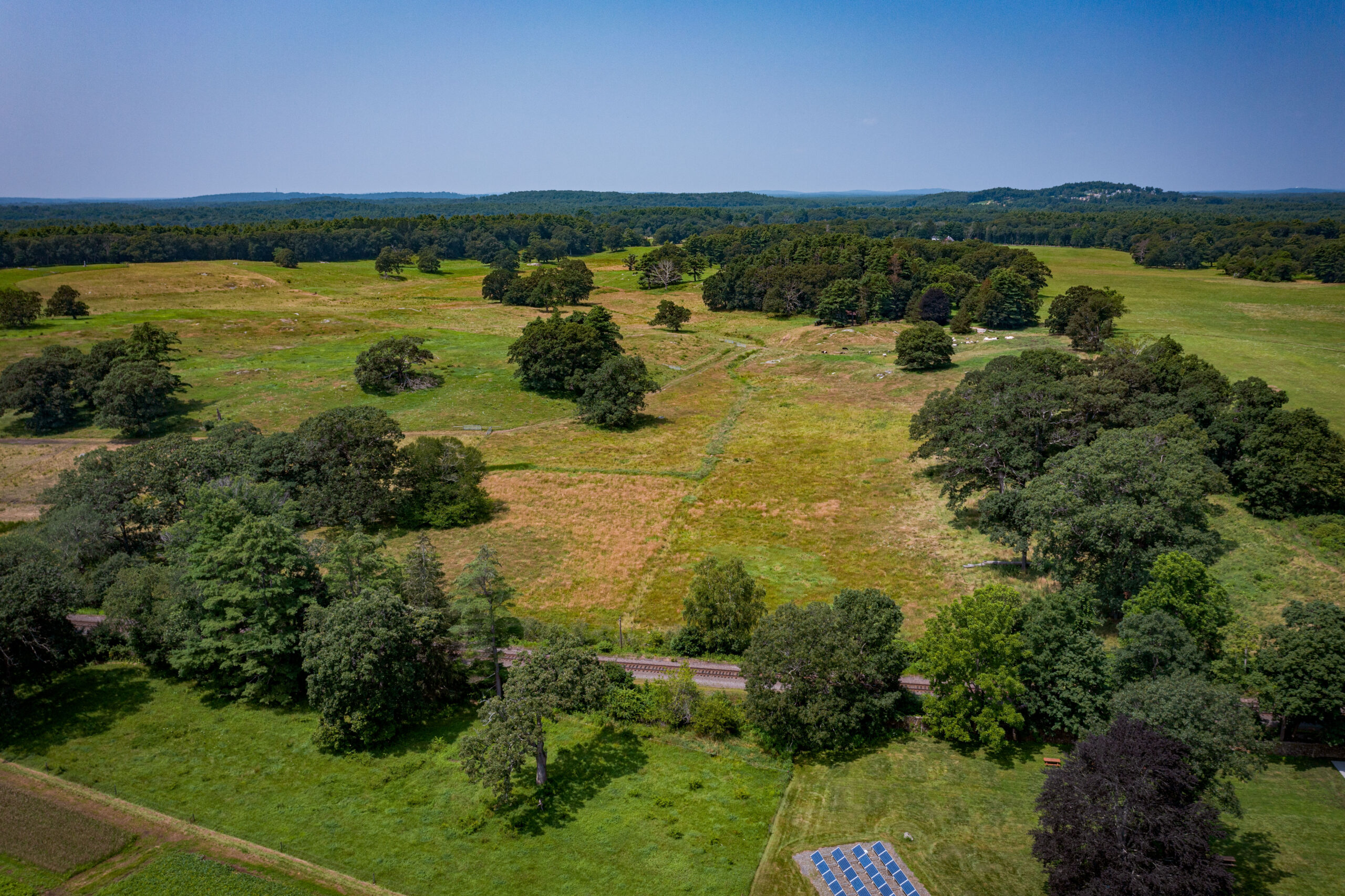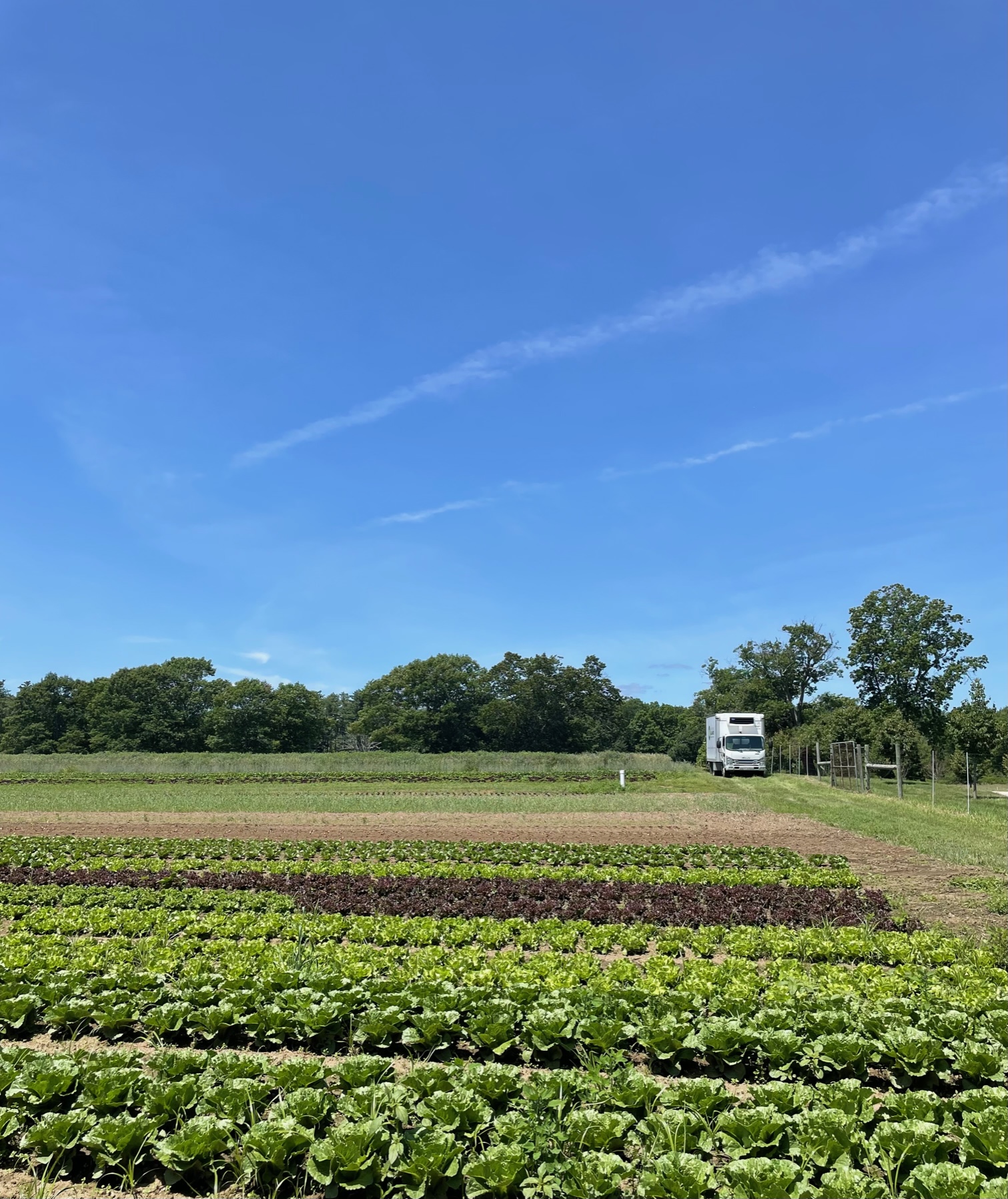
A working field at Appleton Farms in Ipswich.
Overview
All working farms are agro-ecosystems, where agricultural production relies on and impacts the broader ecosystem. Since food production and ecological stewardship are two primary goals of Trustees land management and conservation strategy, we are working to balance both of these goals on our working farms. The objective is to sustainably produce healthy, local food while promoting biodiversity and healthy, functioning ecosystems.
Farmers and ecologists have highly specialized and technical points of view on how working landscapes function and how to achieve their own priorities. Occasionally, the disconnect between these two different types of understanding can lead to less-than-ideal results. Strictly separating farms into conservation vs. production acreage can lead to less perceived value for one type of land or the other, and our agroecological initiative seeks to bridge this specialist knowledge and manage the ‘gray’ areas. We are working to take advantage of existing ecological processes to improve agricultural productivity while at the same time minimizing tradeoffs between agricultural production and ecosystem functioning or biodiversity.
Central to this initiative is treating our farms as living laboratories. Our working farms are real production operations under all of the same stresses as independent local farms. As a non-profit organization managing abundant farmland, we have the opportunity to take some risks that family farmers simply can’t. In addition to applying what we learn to our farms, we can also share this with the broader public visiting our working farms as well as the farming community. As a start, we are expanding our existing ecological monitoring and pairing it with monitoring agricultural productivity and quality. This dual approach will help us prioritize which parts of our landscapes have high production and/or ecological value and provide a baseline or starting point for future experiments.
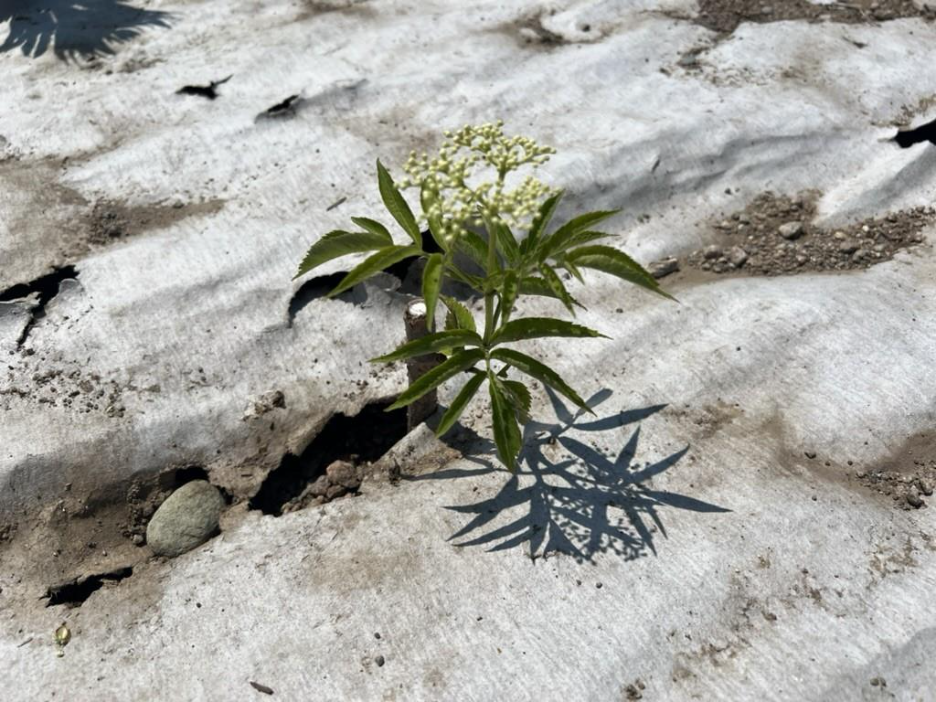
Young Elderberry in a Hedgerow.
Our Strategy
It’s the intentional consideration and integration of the agricultural and ecological cycles into the goal of food production that defines the foundation of an agroecological approach to farming.
The Trustees as an organization has ecological priorities. Balancing the cultural and public access elements of our organization and ecology has always been a part of the Trustees.
Thus, agroecology is imperative to the mission of the organization. Agroecology can be complicated – these are ecosystems which can be complex and unpredictable, and there is risk involved in applying unconventional practices. There are also many positive examples and foundational research underpinning agroecological approaches. The Trustees’ scale, diverse staff expertise, and resources can be a service to the agricultural community.
Trustees properties have diverse land use legacies and exist in a patchwork of habitat and development. To support conservation goals, especially in the face of climate change, it takes the activation of all land use types. Agricultural and working lands are somewhere where risks are more easily accepted, as opposed to more in-tact systems, as the land is already in active management by humans.
An ecological solution is not an agroecological solution unless it works for farmers. The Trustees team is constantly working to integrate these solutions and to reconcile what can be competing priorities. It’s quite common to declare acreage either production farmland or land for ecological conservation. The organization is trying to determine how land can be both and fully understand what management decisions mean in that context.
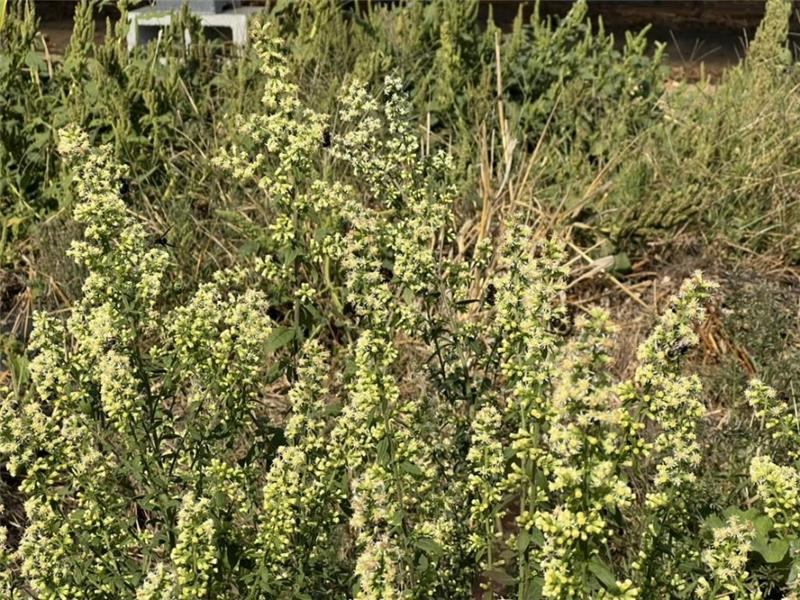
White goldenrod in a seed plot.
Our Progress
Grazing
The Agroecology team completed the second of a three-year study at Appleton Farms, funded by the private Lookout Foundation, of the effects of early season grazing on bobolink nesting behavior.
Grazing treatments were varied compared to the first year of the study. Prescribed grazing was carried out in collaboration with the Appleton livestock team. More than 20 nests were found, and all successfully fledged chicks. The team established expanded ‘refuges’ in additional hayfields to continue to support nesting.
Willows
2024 marked the first year of a three-year conservation innovation grant for fodder willow working buffers at Appleton Farms, funded by the Natural Resources Conservation Service. The goal of this project is to buffer in-field ditches (which had been installed by the Appleton family over the years to help improve field drainage) with native shrub willows to protect water quality, improve habitat, and provide supplemental tree fodder for livestock. The team renovated three collapsed ditch sections and planted over 2400 willows along their banks. An irrigated shade house was built to propagate and store plants for future agroecology projects.
Hedgerows
A row of shrubs, known as a hedgerow, was planted by the farm and agroecology team in the flower and herb fields used for the Appleton Farms CSA. Hedgerows, much like old stone walls, serve as boundaries and borders between fields. In recent years, research has shown that these also serve as important habitat for pollinators such as bees, flies, and butterflies.
Three productive hedgerows were also established at Powisset Farm in Dover. These are each single-species hedgerows of native or hybrid fruiting crops: elderberries, beach plums, and hazelnuts. They will be certified organic for production in 2026.
Seed Collective
An ongoing partnership with The Ecotype Project (founded by the CT Northeast Organic Farming Association) and Eco59 seed collective was expanded in 2024. The Trustees is growing locally native (ecotypic) plants for seed production to support local habitat restoration efforts. The team now has six species in production across Appleton, Powisset, and Chestnut Hill farms. Seeds were harvested and delivered to Eco59 in October.
Soil Health
The fields at Appleton and Powisset farms continue to be monitored for soil health, after an initial assessment of all Trustees farm fields by the American Farmland Trust and Regenerative Design Group. The goal of repeat monitoring is to understand how management efforts impact the productivity potential of Trustees farmland. The soil sampling methods established through this project are now being implemented across other Trustees plantings, including the willow and hedgerow projects mentioned above.