Beaver Brook is undergoing ecological restoration.
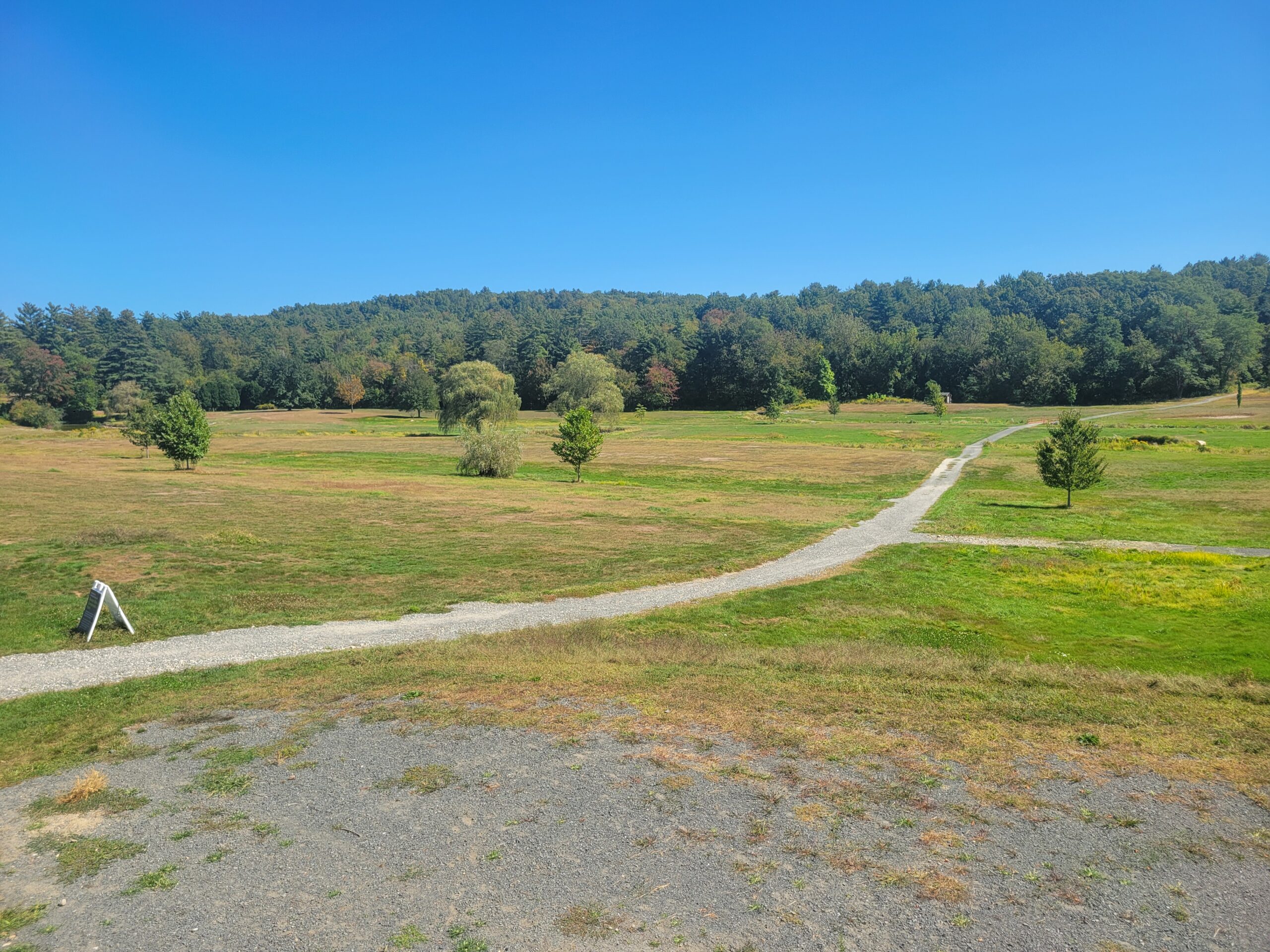
In early July 2025, thanks to the enthusiasm and generosity of so many, The Trustees acquired the Beaver Brook Golf Course in Williamsburg and Northampton – a major step toward transforming this beloved landscape. But our work is just beginning.
If you’re one of the many people who enjoy Beaver Brook already, you may have wondered about our plans to restore the former golf course to a vibrant system of natural habitats. Before diving headfirst into the ecological restoration process, The Trustees has been collecting critical data that will help us understand the site. With this in hand, we can then plan for and make intentional changes that will support a healthy ecosystem and the crucial native species that live there.
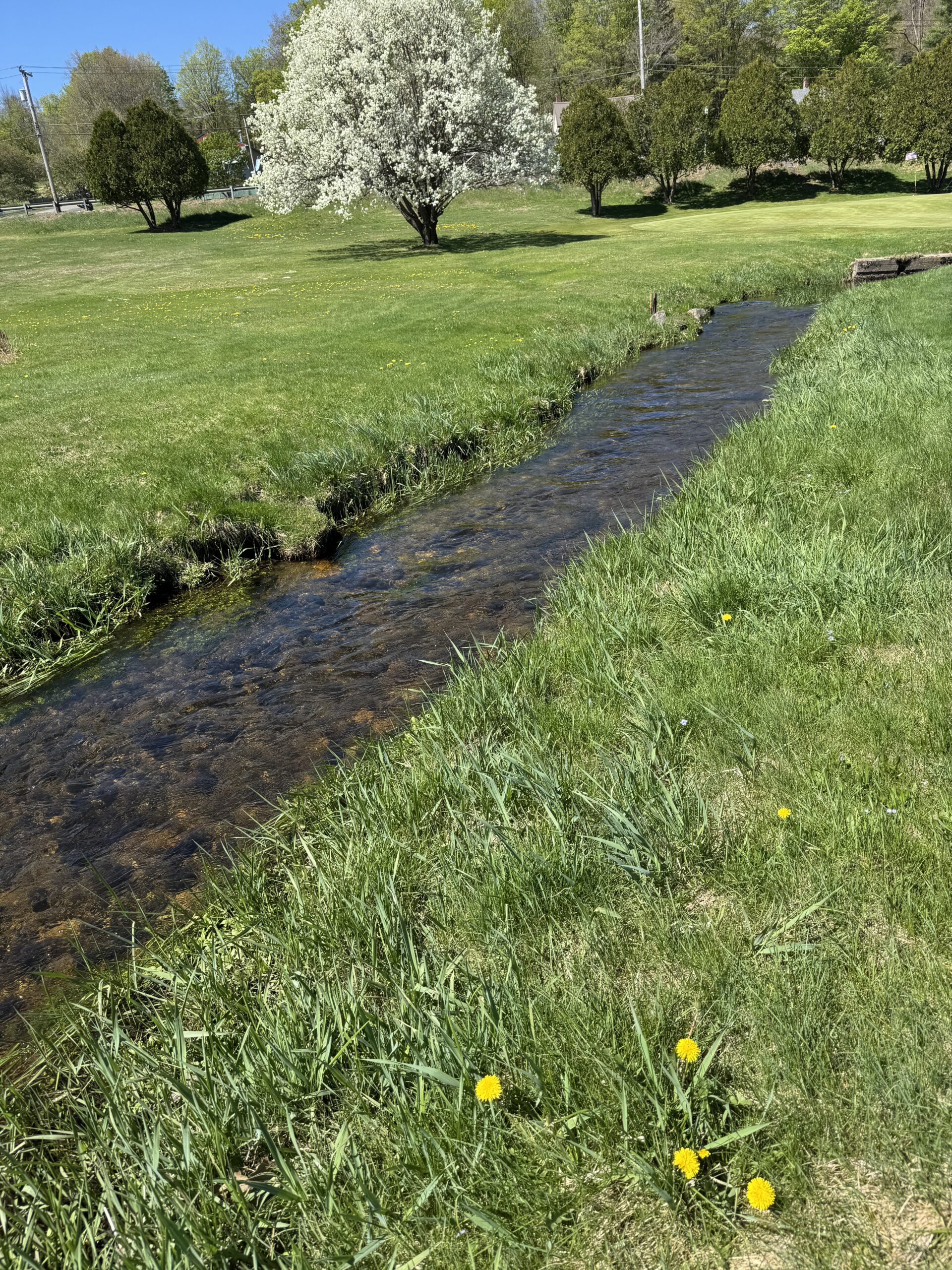
The waterways at Beaver Brook are being assessed, with data collection occurring now before further ecological restoration.
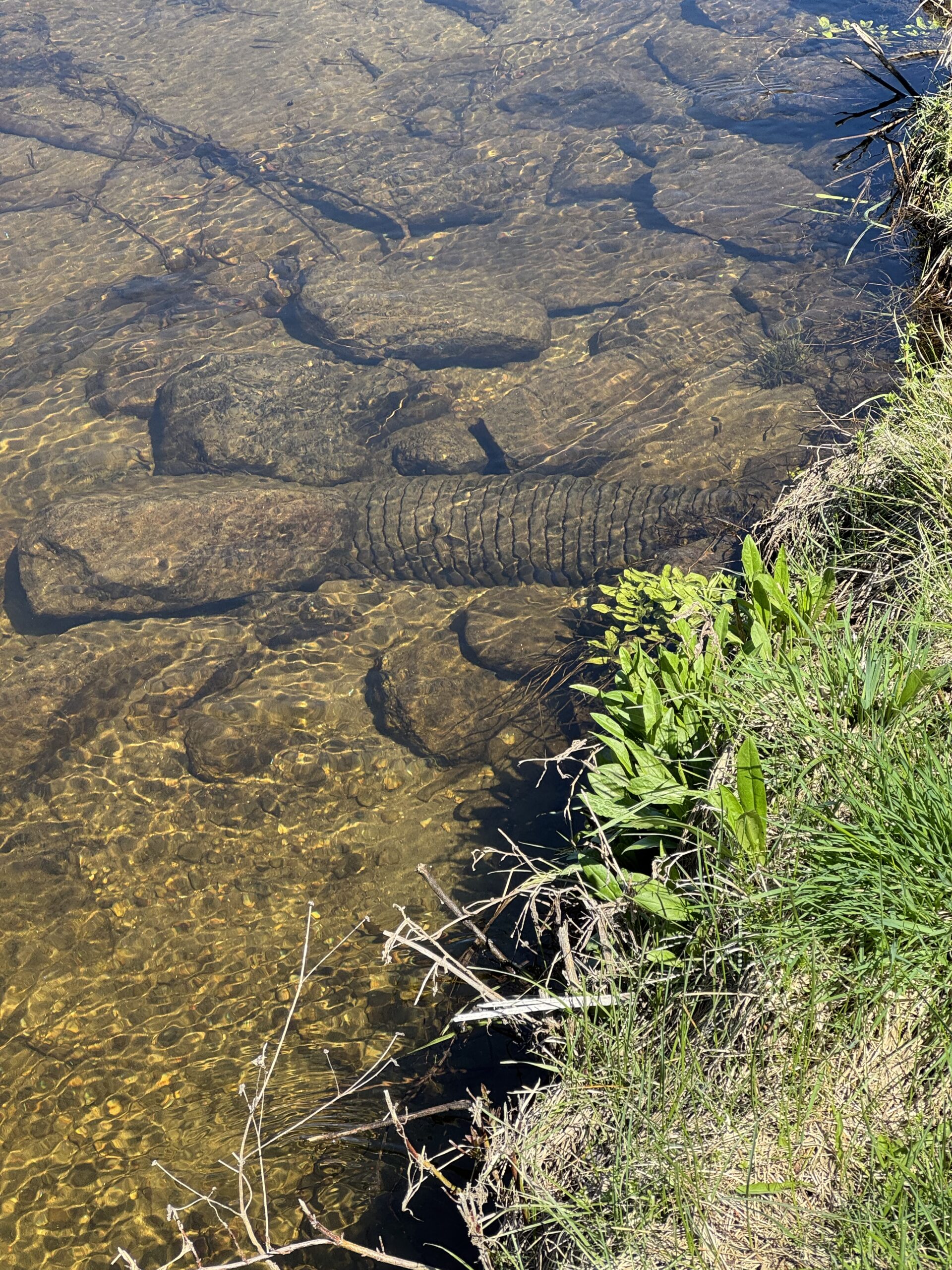
Data Collection: The Brook
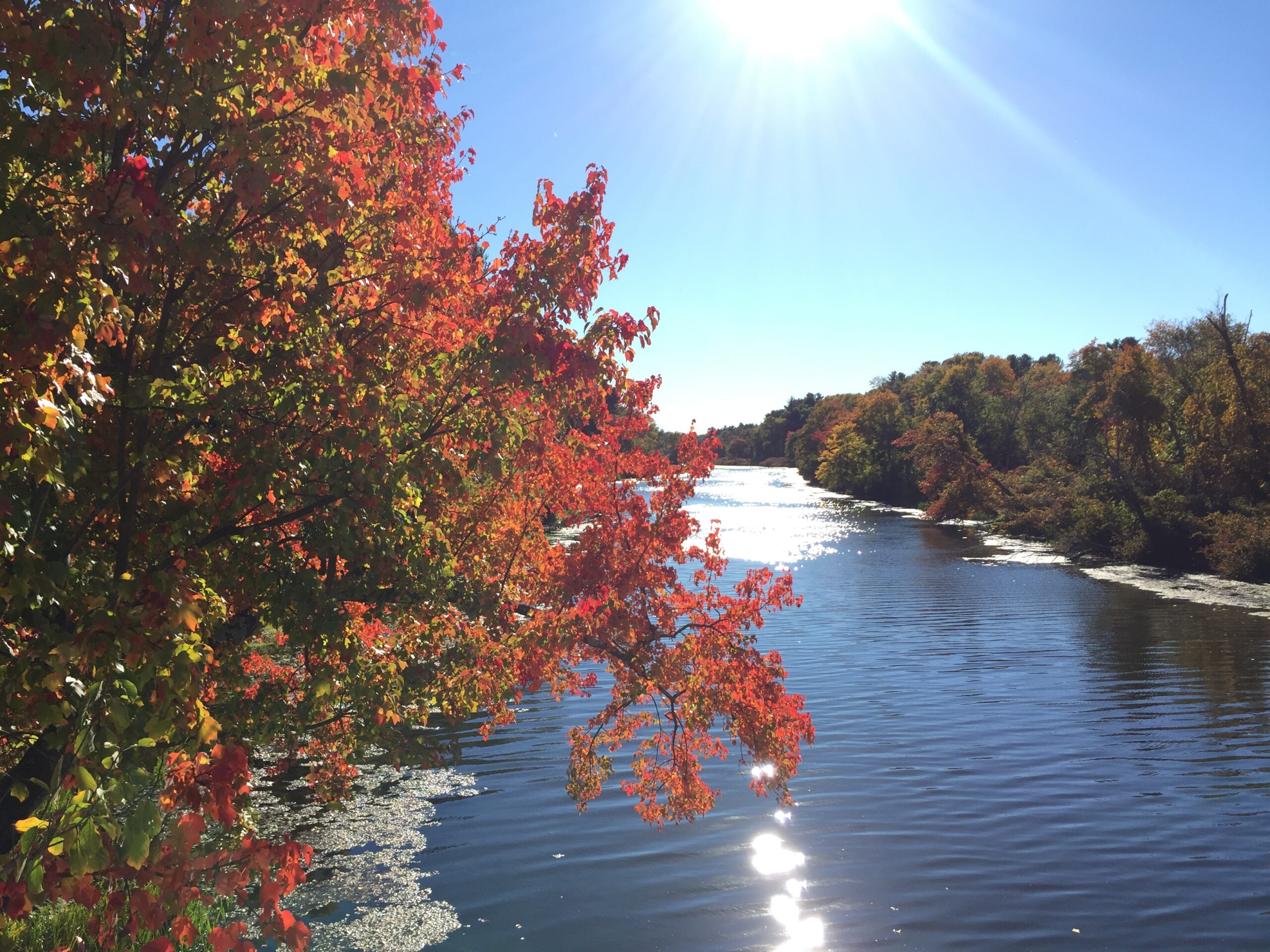
Beaver Brook’s namesake – the brook that passes through the land and has historically been heavily channelized and altered – is a critical part of the property’s ecosystem. The Trustees has begun to collect data to understand the brook, its tributaries and associated wetlands, and some of that work is visible if you visit the property today.
We are studying and measuring water flow, marking current wetlands, and discovering evidence of historic wetlands, all of which will inform restoration potential. If you’re out on a walk on the property, you may see flagging, stream gages in the brook, and PVC pipes for monitoring groundwater. The team will also be sampling soil for evidence of past wetland occurrence once the ground thaws.
These investigations will help us develop the restoration plan and inform the final trail layout. Trails are likely to traverse new paths, offering a fresh experience for visitors.
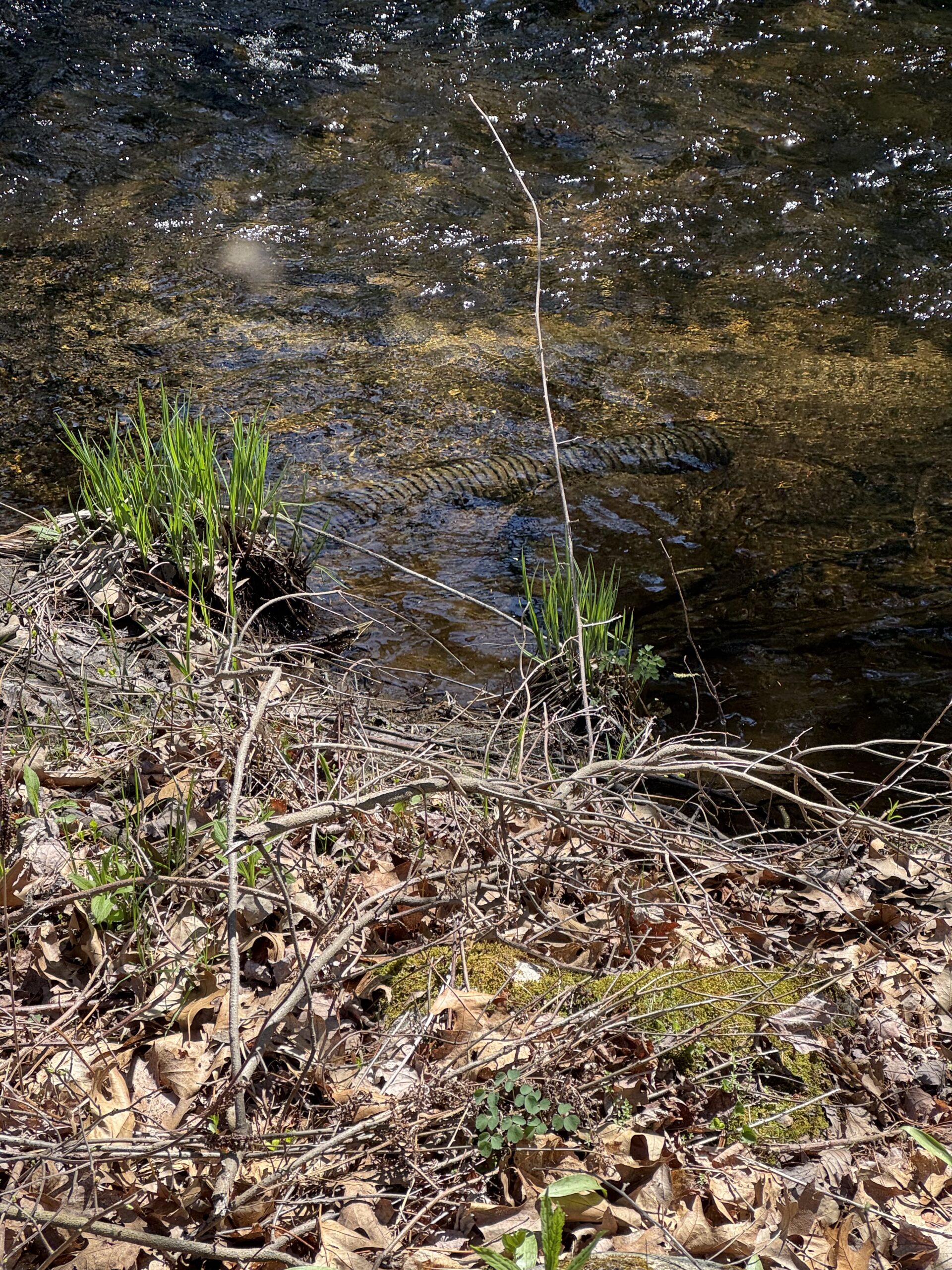
Data collection continues at the site as The Trustees prepares for further ecological restoration.
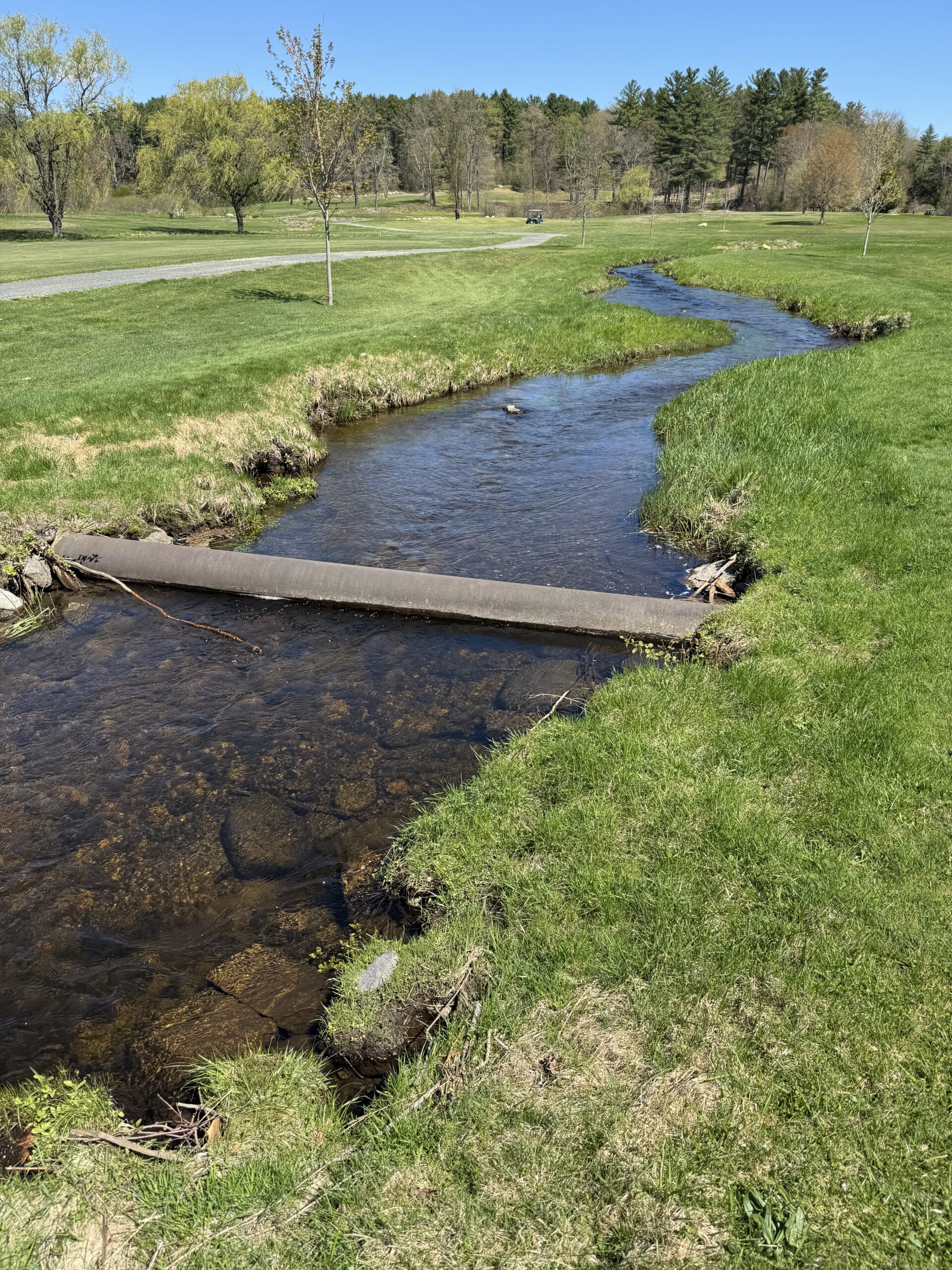
Data collection: Flora and Fauna
With the help of a variety of partners and volunteers, we have been noting and tracking species on site—including birds, reptiles, plants, insects, invertebrates, and more. Initiatives have included an overwintering and breeding bird survey, as well as a botanical survey identifying all plants on site.
In addition, a forest climate stewardship plan and bird habitat assessment will provide understanding of the land as it relates to specific habitat needs and long-term health.
Data collection: History of the land
Before Beaver Brook was a golf course, it was a dairy farm, and before it was a dairy farm, it was stewarded by generations upon generations of Indigenous Peoples. Ongoing consultation and relationship building with Indigenous Peoples is a priority and will inform our understanding, responsibility, and commitments. In addition, a land use history and archaeological sensitivity assessment will add to our recognition of potential impacts on cultural resources.
It’s important to understand that ecological restoration does not seek to return to or replicate a particular historical moment on the landscape. Rather, restoration involves attention to present conditions and biodiversity needs in conversation with historic and cultural understandings.
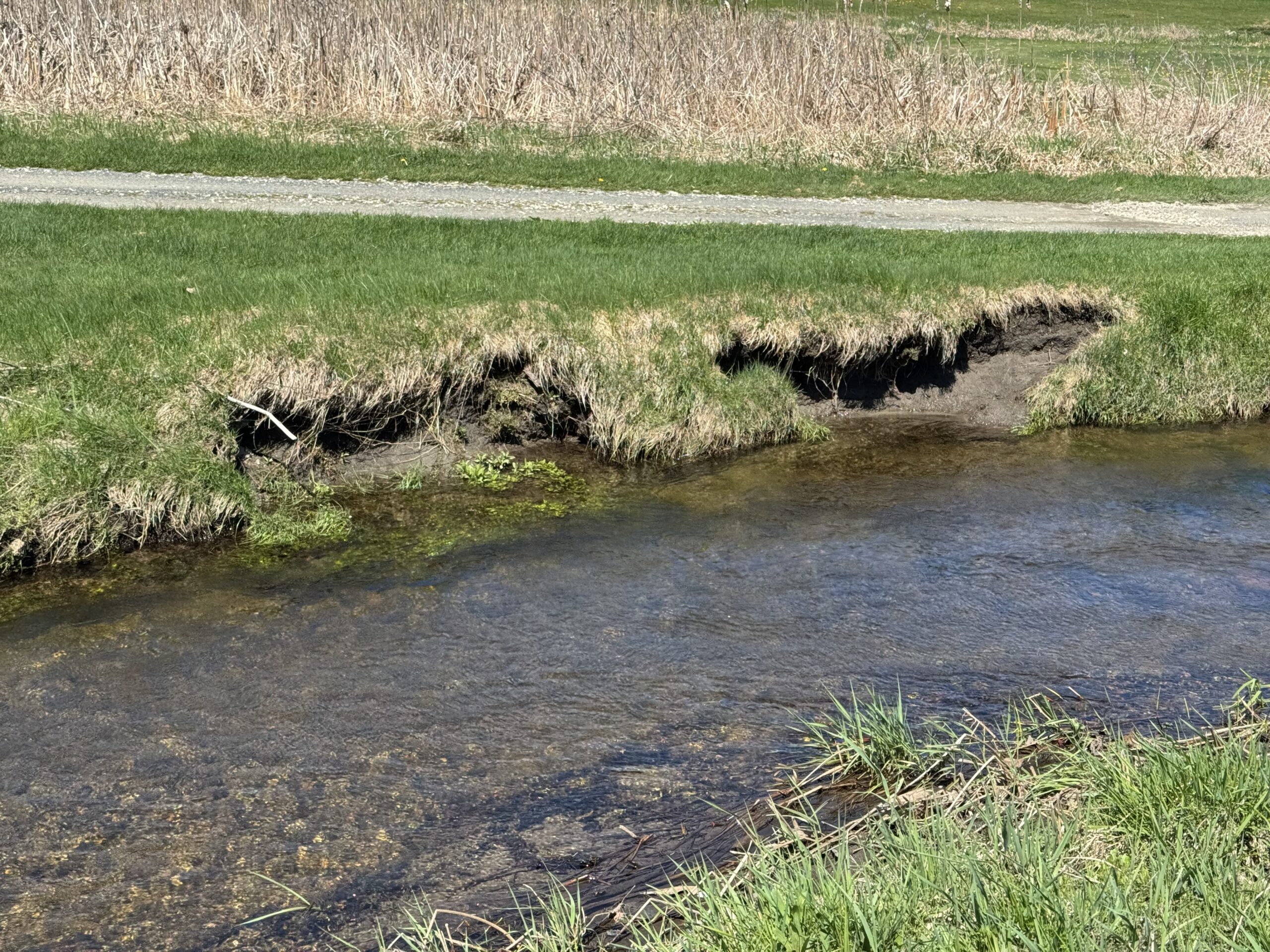
You can assist The Trustees in data collection at Beaver Brook during your visits.
Data collection: How can you help?
You can help us understand Beaver Brook better. Bioblitzes will happen across the property in coming months, where community science can contribute to cataloguing species. Outside of formal bioblitzes, anyone can contribute their observations via iNaturalist to our Beaver Brook Biodiversity Monitoring project.
Soon we will also have Chronologs on site, where your photographs will help us track and visualize the changes in the land over time. The next time you visit the property, look for these photo stations which will be located at the main building and in the former golf course.
What’s Next?
In addition to learning from our observations of the land, The Trustees is learning from our network of partners pursuing golf course restoration projects in the region, such as Pine Grove (Nashawannuck Brook), Hickory Ridge, and Edge Hill.
Data collection will continue as the restoration process ramps up and we create an informed, comprehensive, and adaptive approach to the land’s health and needs. Stay tuned!