A piece of local history and a point of neighborhood pride, the pergola and hand-crafted signs at the entrance to the Berkeley Community Garden have welcomed visitors into this urban oasis for more than 40 years. Handwritten in English and Chinese by founding garden member, Yee Gum Fan (AKA Ralph), the pergola represents the multicultural spirit that has built and sustained this garden and surrounding community.
Unfortunately, having been exposed to the elements for more than four decades, the sign and structure have fallen into disrepair. This spring, as more than 100 gardeners return to their plots after a long winter, they will find a newly restored pergola and sign, thanks to a gift to The Trustees by Ralph’s son, Hon Yee.
“This is my way of giving back and keeping my father’s memory and effort alive,” said Hon, a retired emergency room doctor who lives in a Boston suburb.
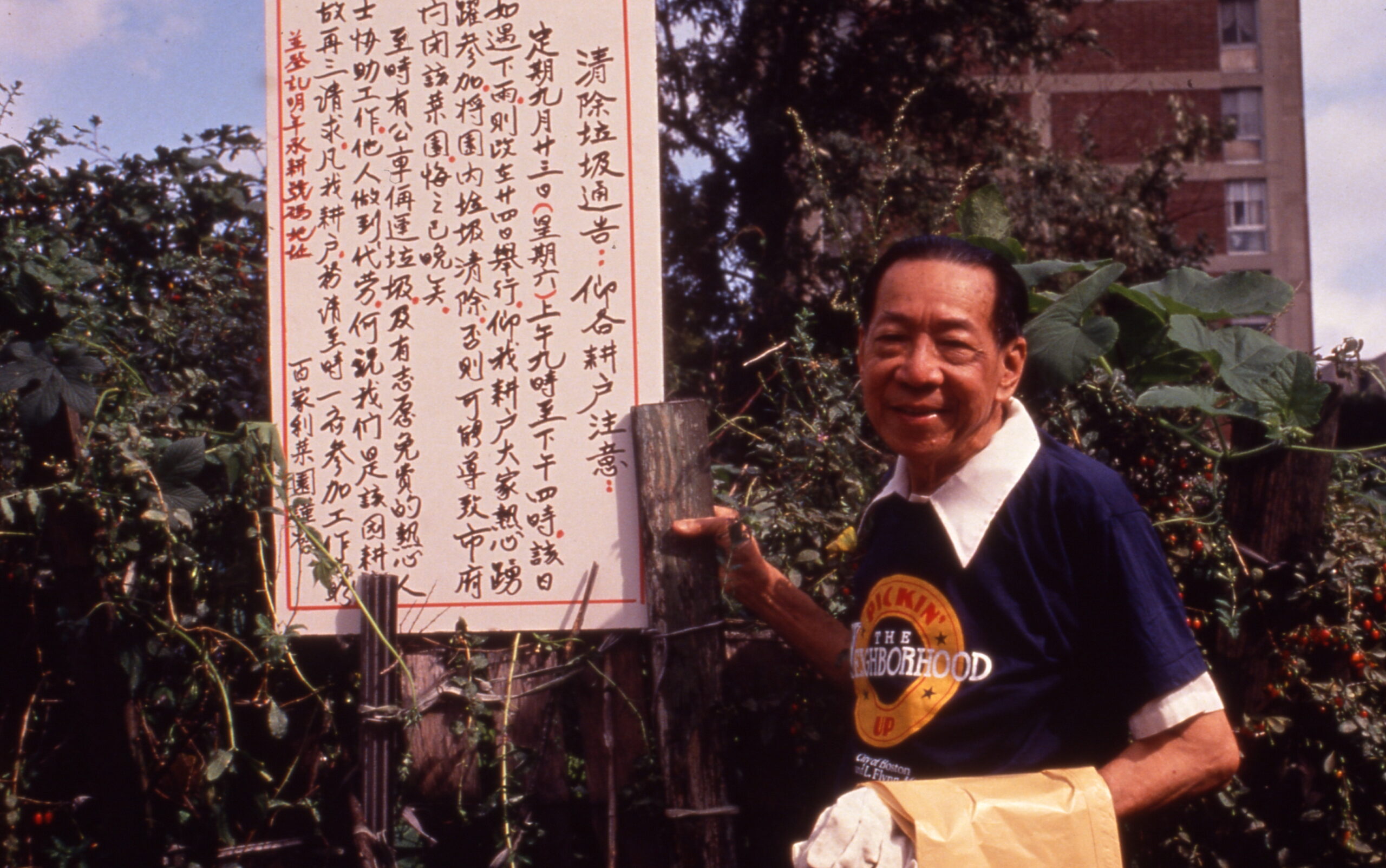
Yee Gum Fan (aka Ralph), pictured here in the 1980s standing with one of his signs translating information for the gardeners in the predominantly Chinese South End neighborhood.
Born in China to a father with U.S. citizenship, Hon’s father lived between China and the U.S. for several years. In the 1950s, after marrying and having children in China, he moved his family permanently to Boston, settling in the South End.
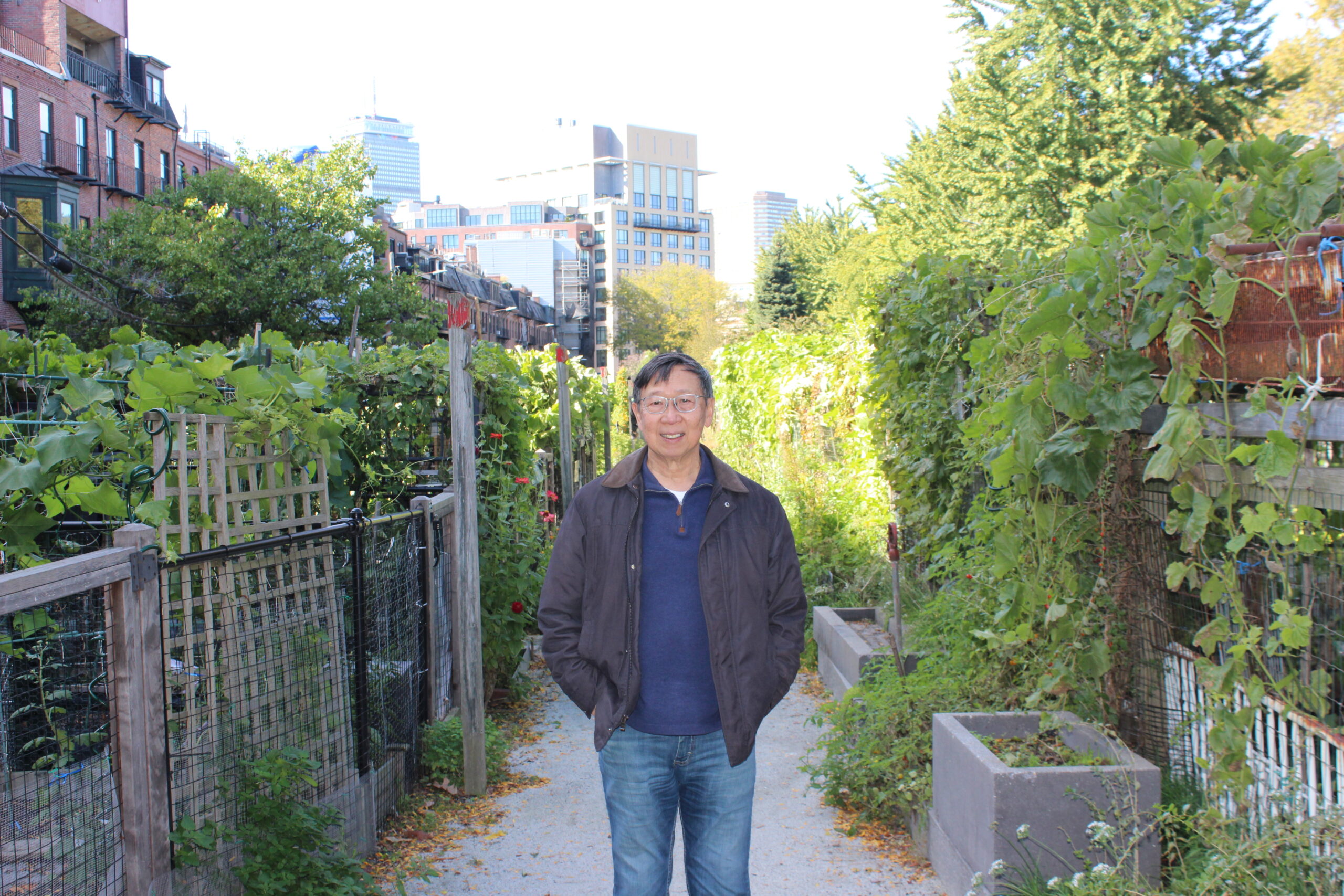
“I grew up right down the street,” Hon said, pointing toward Shawmut Avenue while standing next to the garden plot where his father grew fuzzy melons and other vegetables for decades.
Like many community gardens in Boston, the Berkeley Community Garden was created on land that was rescued from the failed urban renewal plans of the 1960s. When the block between Shawmut Avenue and Tremont Street was razed and left vacant, people in the community began planting gardens. As a predominately Chinese neighborhood, the gardens allowed people to grow Asian vegetables that were expensive in grocery stores.
Ralph was a community leader in the South End, serving as secretary of the Chinese Benevolent Association and a founding member of the garden. He helped people with their plots and translated materials and information in English into Chinese. What he was most known for, however, was his calligraphy.
“Calligraphy is very important in Chinese culture.” Hon said. “People would request my father to write their relatives’ gravestones. He even did the inscription on the Chinatown gate arch.”
The sign atop the pergola, cleverly written by Ralph, spells out Berkeley phonetically in Chinese while translating in English to “100 family vegetable garden.”
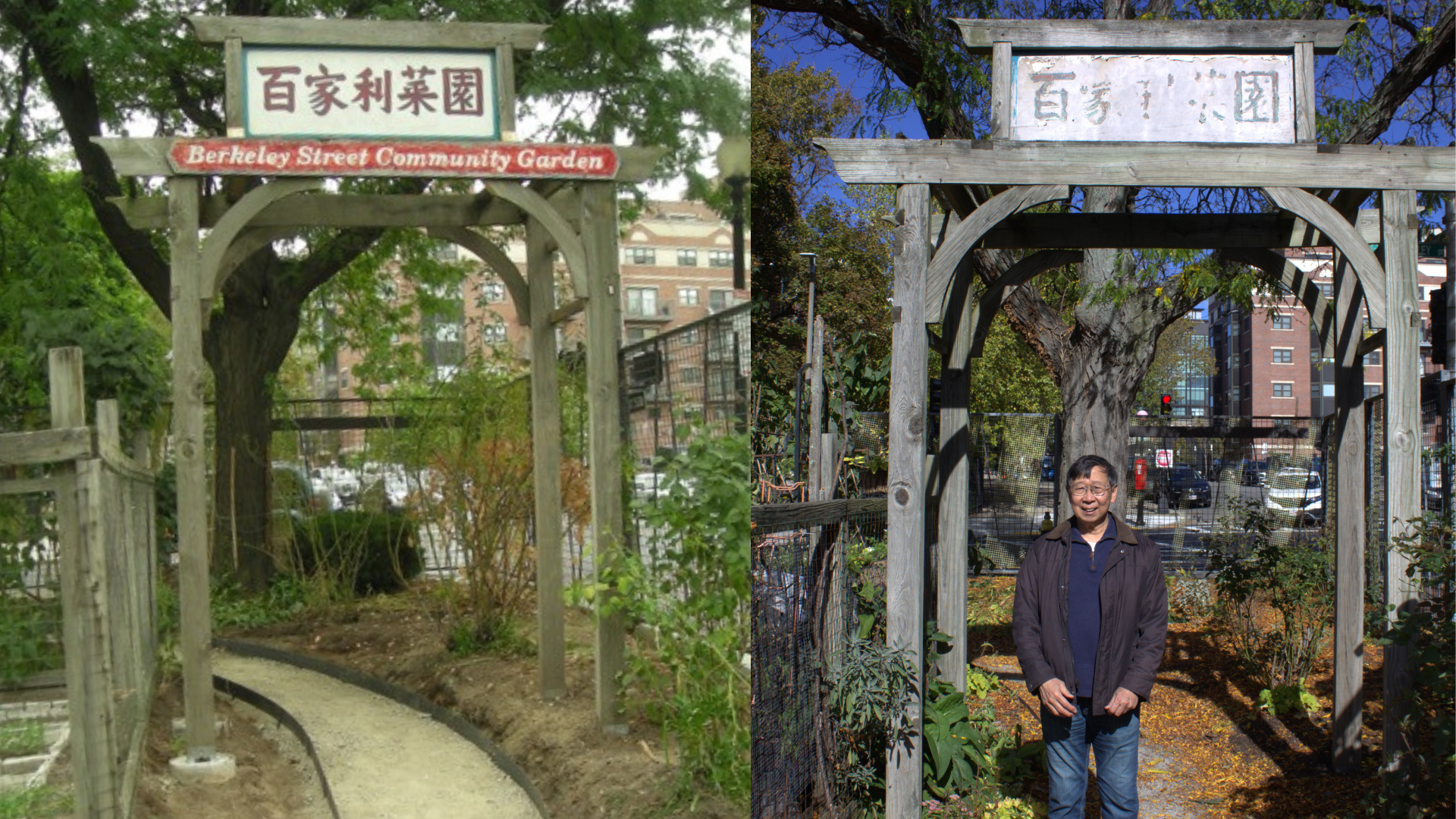
A side-by-side view of the pergola in the late 1980s and what it looks like today, prior to the planned restoration..
Hon hadn’t been to the garden in years, but recently visited with a family member and noticed the dilapidated state of the pergola.
“I saw it and thought, ‘this needs some updating to honor my father’s efforts’,” Hon said.
Having recently retired, Hon decided to make a gift for the restoration with a qualified charitable distribution through his Individual Retirement Account (IRA).
“This allows me to donate some of my IRA required minimum distribution tax-free to my favorite charities,” Hon said.
Hon and Trustees staff are working with students from the Madison Park Technical Vocational School to rebuild the pergola and a local craftsman to replace the signs—in his father’s handwriting—with work expected to be completed in the spring of 2026.
“Hon’s donation is helping us to revitalize a pergola that we might not otherwise be able to fund for a few more years,” said Jordan Takvorian, Trustees Stewardship Manager. “The pergola helps to tell the story of the original, primarily Chinese gardeners who started tending this parcel of open space and keep that history alive.”
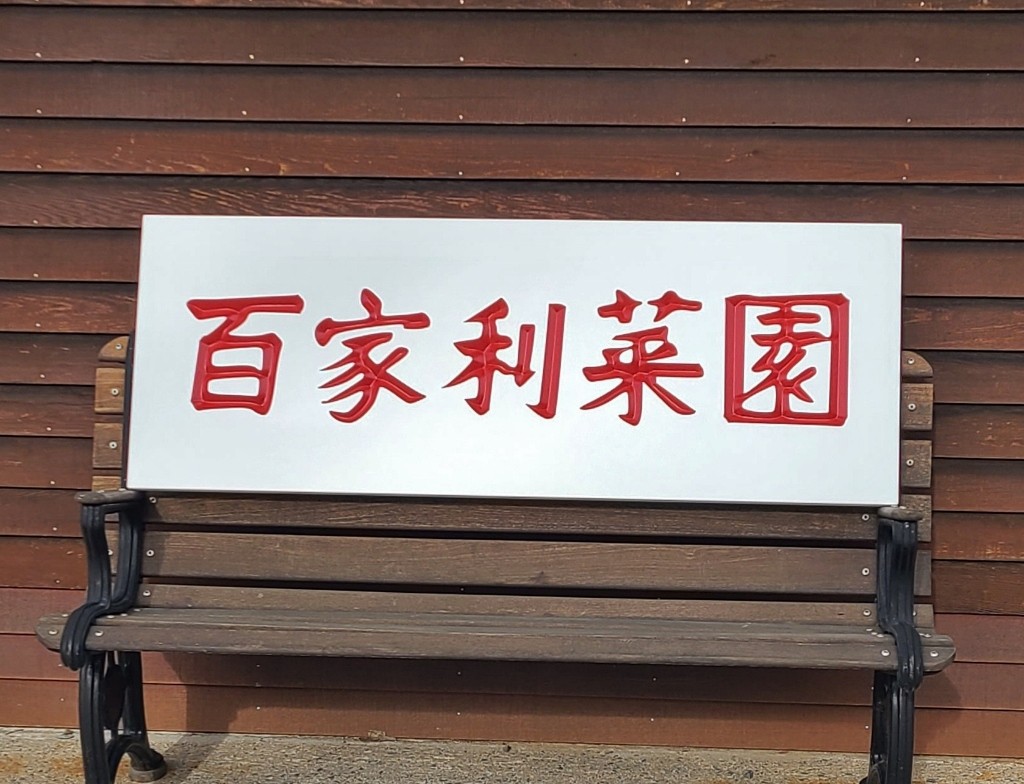
The new signs for the pergola in Chinese.
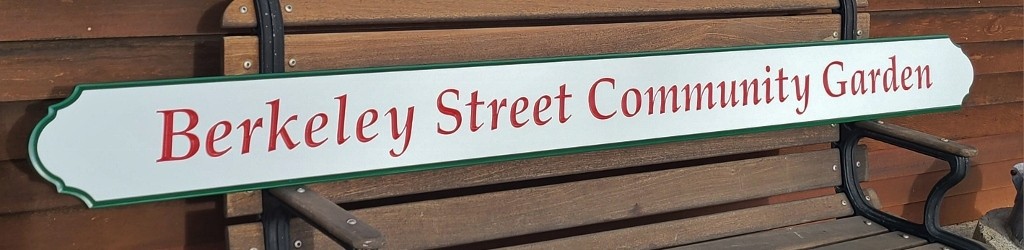
The new signs for the pergola in English.
The pergola restoration is only part of the work The Trustees is conducting at the garden. The Trustees is also making fence, gate, and trellis replacements to make what is the largest of the 56 Trustees gardens in the city safer, more productive, and more beautiful.
Hon’s efforts echo the words of his father, who shared some of his thoughts about the garden in the spring 1989 Boston Urban Gardener newsletter. “The garden is very important to me and I want to help to keep it in anyway that I can,” Ralph said. “I think everyone has to take responsibility and participate—that makes a better world.”