Notchview in Windsor
Overview
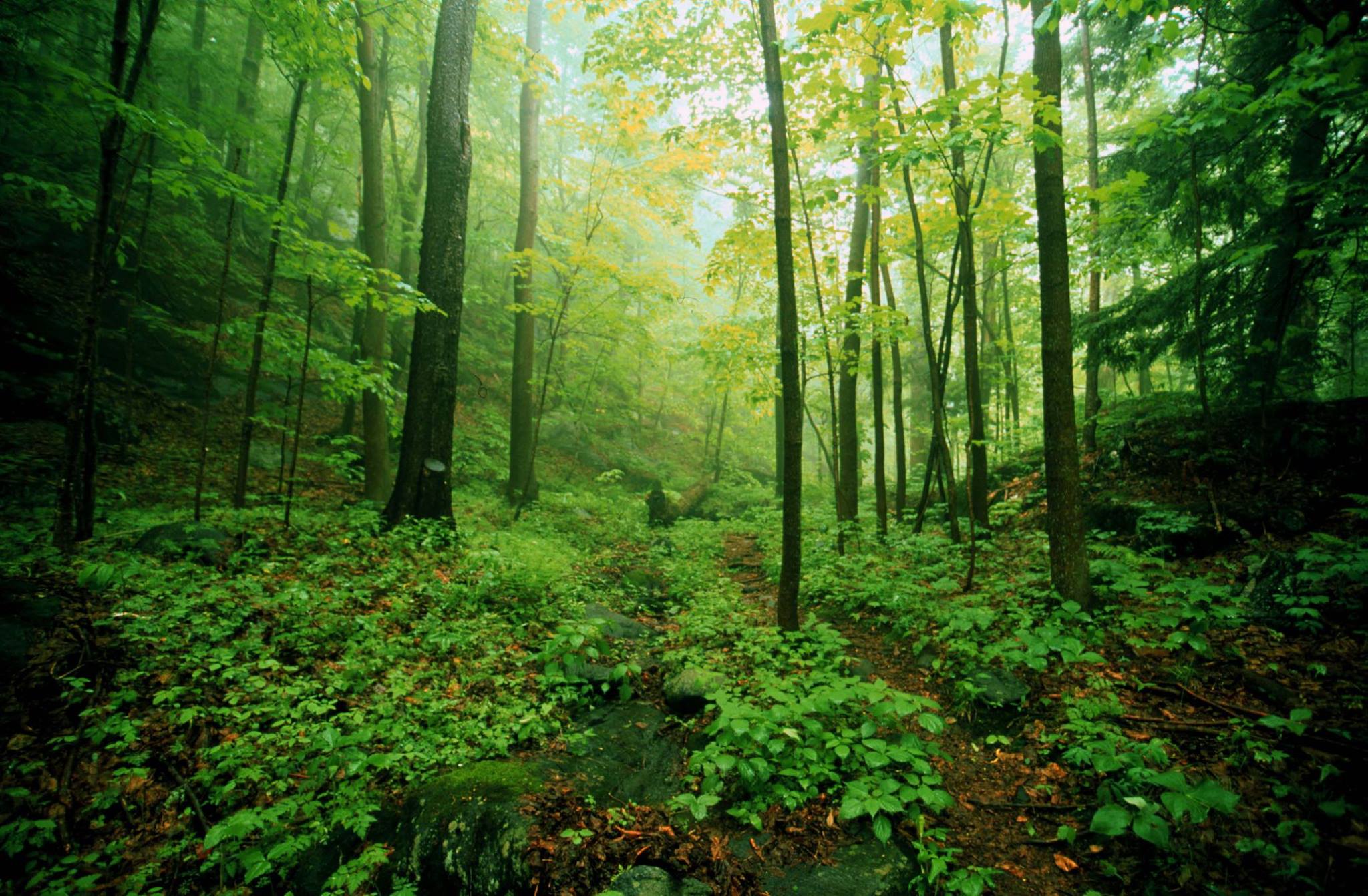
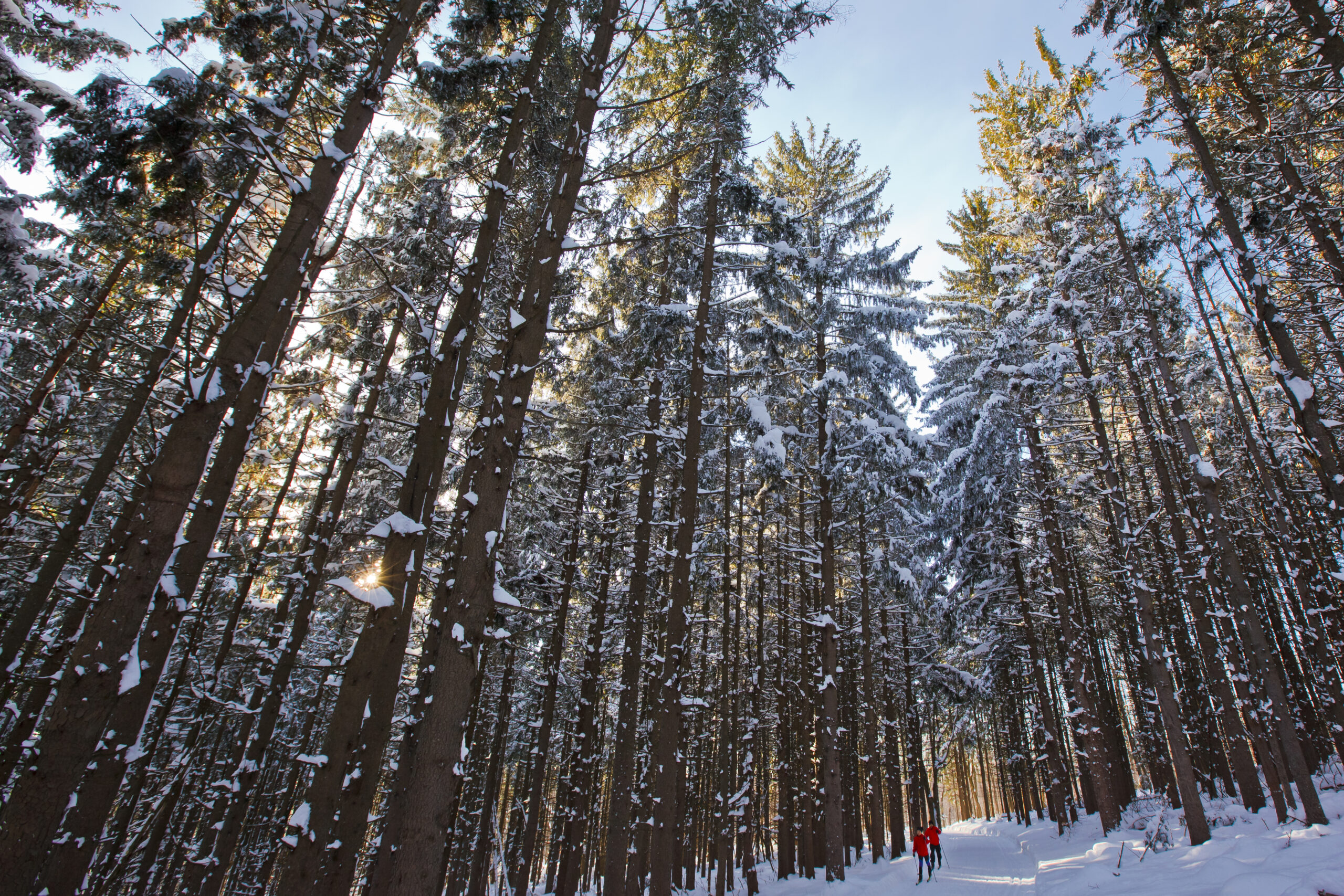
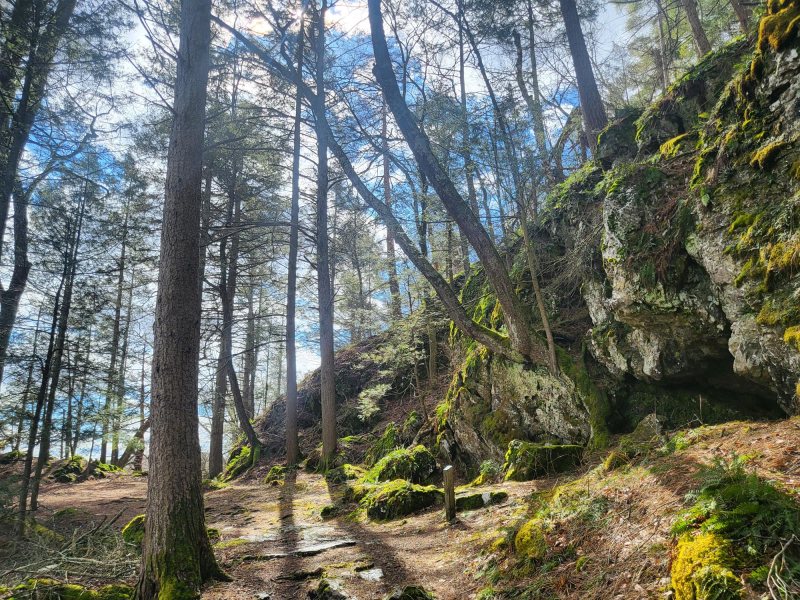
With over 23,000 acres of forests statewide, the Trustees’ forest habitats provide key environmental functions including wildlife habitat and biodiversity, healthy soils and water, and carbon sequestration and storage. In addition, these forests provide opportunities for recreation and enjoyment of nature. Facing threats ranging from climate change impacts such as increasing temperatures and shifting rainfall patterns to nonnative pests and pathogens, pressure from deer browse, and fragmentation, our forests are at risk. The Ecology & Climate team at The Trustees is facing these risks head-on, and choosing to counter them with resiliency measures, aimed at helping the forest adapt, continue as critical habitat, and provide crucial ecosystem services for the future.
Across Massachusetts, the habitat for many northern tree species is projected to decline as climate conditions become less suitable. Species like red spruce and balsam fir are expected to be most vulnerable, particularly in places like Notchview, which lie at the southernmost part of their natural range. Species like beech, hemlock, and ash are dealing with diseases and pests that put them at greater risk, too.
Notchview in Windsor
Our Strategy
No single action can support the resiliency of forests across Massachusetts; rather we need to chart a course forward depending on specific threats, forest types, and conditions. Forest stewardship plans and climate vulnerability analyses support our efforts to identify key threats impacting a forest and the range of actions – from passive (wildlands) to active (intentionally altering through silviculture) – that will support the long-term resiliency and ecological function of our forests in an uncertain future.
Wildlands
The Trustees recognizes the importance of forest land throughout the Commonwealth to support biological diversity, ecosystem services including clean air and water, and carbon sequestration and storage. While many private and publicly held lands are managed for conservation and recreation, few managers have pledged an intentional long-term passive management approach, where natural processes determine the condition of the forest. Passively managed forests or wildlands support species, natural communities, and forest structure through natural disturbances and ecological and evolutionary processes. Only through an intentional commitment to centuries of future passive management will we be able to observe how these forests change and adapt to conditions over the lifespan of some of the longest lived species within the forest (e.g. common northeast tree species can live for >300-500 years) and across the return interval of a variety of natural or novel disturbances (e.g. hurricanes, fire, invasive pests, climate change).
Passively managed wildlands should allow ecological processes to determine the long‐term structure, composition, function, and dynamics of the forests to the maximum extent possible. Colonial and post-colonial land use and natural disturbance regimes have greatly impacted the current condition of our landscapes and active forest management continues on both private and public lands to alter forest structure and successional stage for a variety of benefits including the production of wood products, creation of habitats, resilience, and improvement of other ecosystem functions. In contrast, passively managed wildlands will serve as models of natural resiliency and adaptation (or lack thereof) to the climatic uncertainties of the future. The uncertainty of future disturbances and the forest’s natural adaptation is inherent in the wildland designation and provides us an opportunity to compare this management technique with more active approaches over long time horizons.
Active Forest Management
Good forest stewardship includes a range of activities but is based on understanding the forest and its potential future conditions. As our forests continue to recover from past land uses, they are also being impacted by a changing climate and other threats (i.e. pests, invasive species, disturbance). Active forest management can address these threats and support the desirable future forest conditions for biodiversity and resilience. The Trustees uses active forest management to provide habitat for species of greatest conservation need, manage early successional habitat, increase structural and compositional diversity of forests, and to increase resilience of forests.
Field conversion to forests
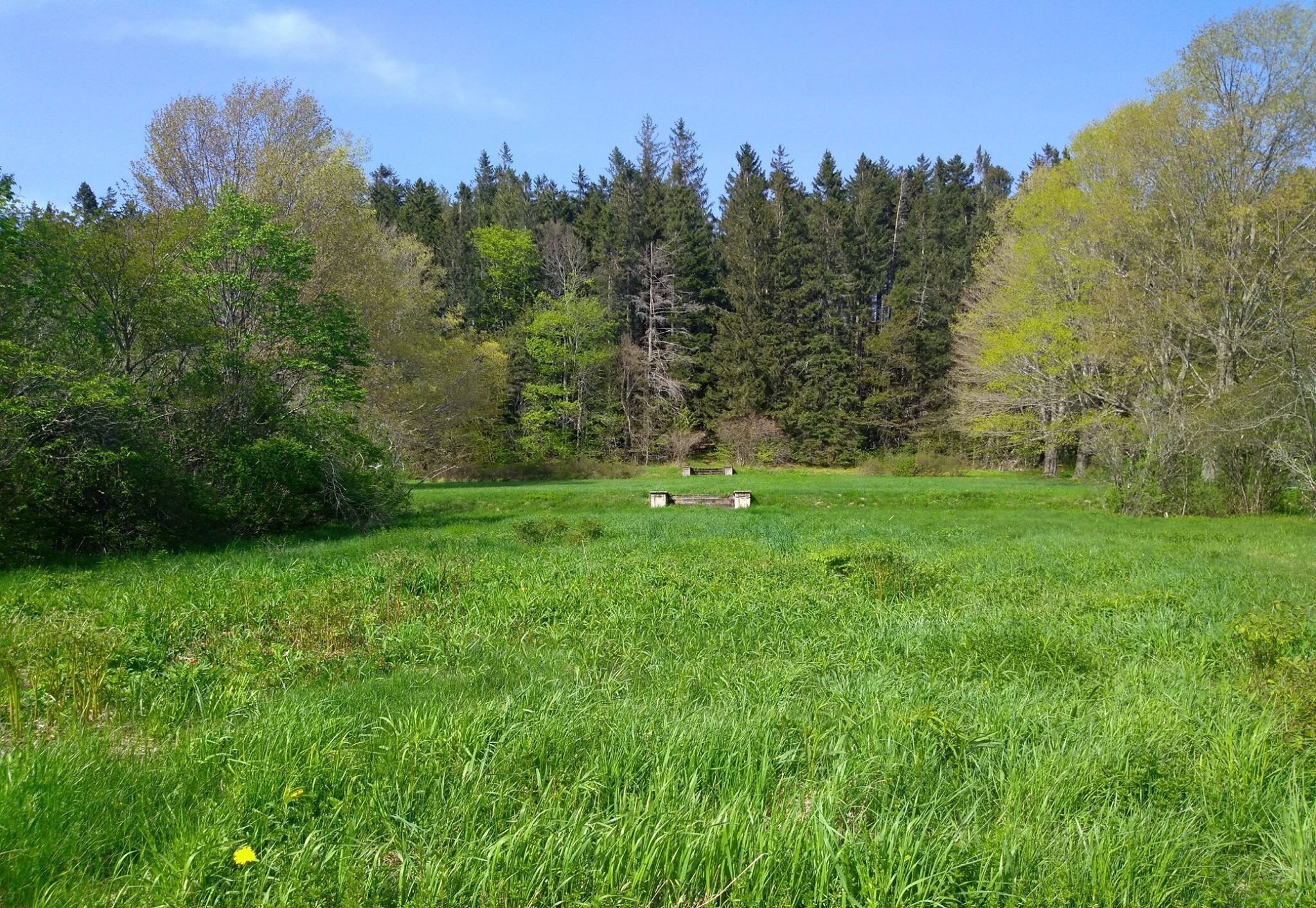
Following large scale forest conversion to farmland upon colonization and subsequent farm abandonment throughout Massachusetts in the 19th and early 20th century; forests have demonstrated tremendous resiliency to regrow after such widespread clearing and have recovered to the ~100-year-old forests that dominate the landscape today. In some cases, this regrowth is on a positive trajectory to recover. In others, the forest condition reflects the homogeneous age and is therefore less resilient. In addition, there are areas that have been maintained as open fields for a variety of reasons that may be better suited to becoming forests again, especially due to the intensity of management required to keep these fields in an open condition. With careful evaluation of these current habitats and their climate and biodiversity significance and challenges, we will identify fields for tree planting and natural regeneration to restore them to forest conditions. This will include riparian forest planting to improve stream conditions for cold water fish, increasing tree species diversity for forest resilience, and potentially trialing the planting of species that will be better adapted to future climate conditions.
Forest at Bartholomew's Cobble in Sheffield
Current Projects
Notchview Forest Resilience Project
In 2019, The Trustees completed a forest stewardship plan for our largest property, Notchview in Windsor. This plan identified key areas to improve the resiliency of the northern hardwoods/spruce-fir forest through a range of activities. In 2025, we completed our first project – creating a 12-acre area enclosed by a slash wall and planting close to 1,500 oak and hickory seedlings. These tree seedlings, along with natural regeneration within the slash wall, will become mature trees that will provide nuts for wildlife, homes for birds, and healthy soil and water as climate conditions change. With this project completed, we are planning our next project where active forest management can support resilient forests for the future. These actions may include control of non-native invasive species, encouragement of tree species better suited to projected climate conditions, silviculture to diversify age and structure, and addressing other conditions degrading forest health.
Check out a storymap of the project here.