By Josephine Brennan, Trustees Staff
Celebrating and championing biodiversity is at the heart of our work at The Trustees. Diverse flora and fauna thrive across our special places, thanks to the careful stewardship and care of our staff, volunteers, Members, and visitors.
As we welcome spring to New England, many species emerge again—some blooming, growing, and returning from winter migrations. We document species across our properties, accounting for their presence so that we can tend to their needs and steward these places with intention.
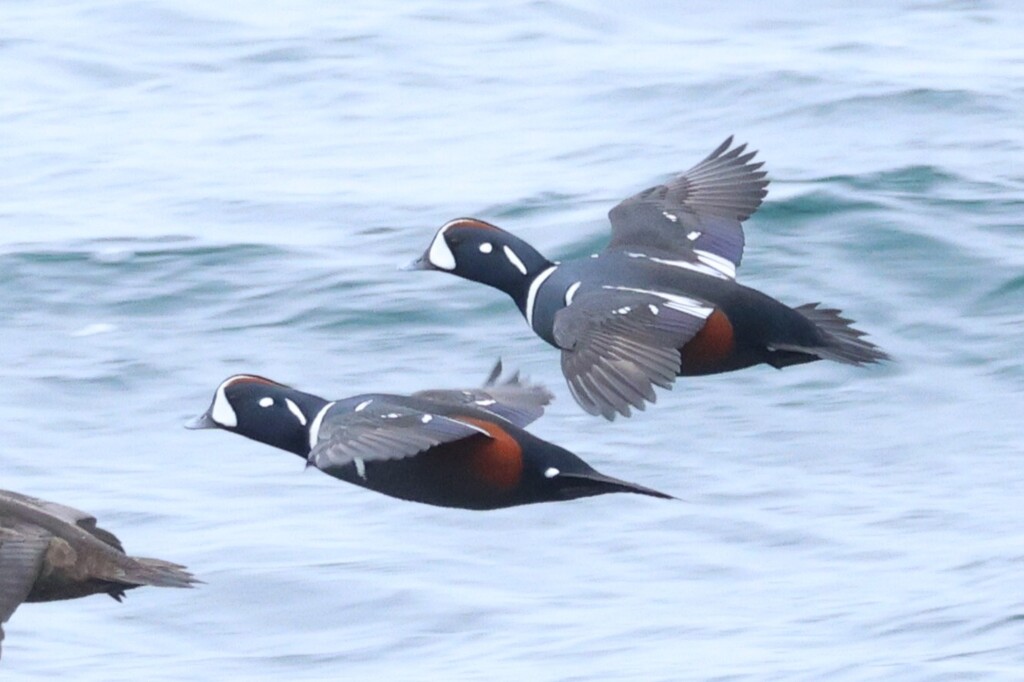
An observation of Harlequin Ducks at Halibut Point in Rockport. Observation © Craig Burkhart
TerraCorps and The Trustees
A critical piece of this work is led by TerraCorps Service Members, who join The Trustees each year as they give back to the land by serving with organizations that care for it. TerraCorps provides an early career pathway, connecting young professionals with organizations that center land and community. The organization’s mission is to “prepare and mobilize emerging leaders to help communities conserve and steward land for people and nature.” This year, The Trustees has 11 TerraCorps Service Members, supplementing and adding to the work that full-time staff is engaging in across properties.
Juwaria Jama is a recent college graduate from Emerson College, where she received a BA in Environmental Studies & Global Communication. She is serving as a Community Engagement Coordinator for The Trustees’ Boston Resiliency team.
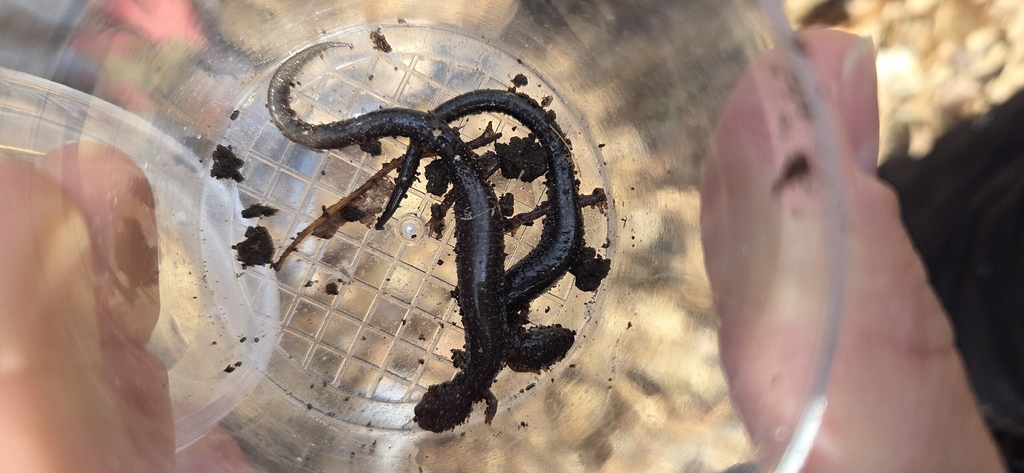
Eastern Red Backed Salamander seen at Weir Hill. Observation © kaibird9
Her work so far has included creating a field guide for Boston residents, with the goal of connecting urban residents with the outdoors. “The field guide includes maps of parks and how to access them by public transit, helpful knowledge of the outdoors such as a phenology primer, managing invasive species, garden recipes, and more,” she shared.
Fellow Community Engagement Coordinator, Tracy Graham, is serving on the volunteer services team. “I’m helping to coordinate and do outreach for hands-on events, including a bioblitz at Appleton Farms in Ipswich on April 11, 2026, and a quarterly Coastal Clean Up at Crane Beach (the next one is on April 19 for Earth Day),” she shared. “These projects support citizen science, environmental stewardship, volunteer training, and recognition, while helping build engagement and capacity across our properties.”
On The Trustees’ Ecology and Climate Team, Dan Castriotta is a Land Stewardship Coordinator. “I was really excited when I got this opportunity to serve at The Trustees through TerraCorps. The Trustees’ Ecology and Climate team has given me the opportunity to explore my interest in ecology and has been a great way to start my career,” he shared.
Henry Greene, who serves with the Land Conservation team at The Trustees, is organizing volunteer opportunities to better understand the Conservation Restrictions that the organization stewards (more than 20,000 acres of land). “We’re looking for volunteers to spend roughly 30-60 minutes per week on average recording species observations to our iNaturalist project at publicly accessible Conservation Restriction land.” Greene shared. “These opportunities will be posted to the volunteer opportunities website soon and fit right into the daily routine for people who like or want to be outside.”
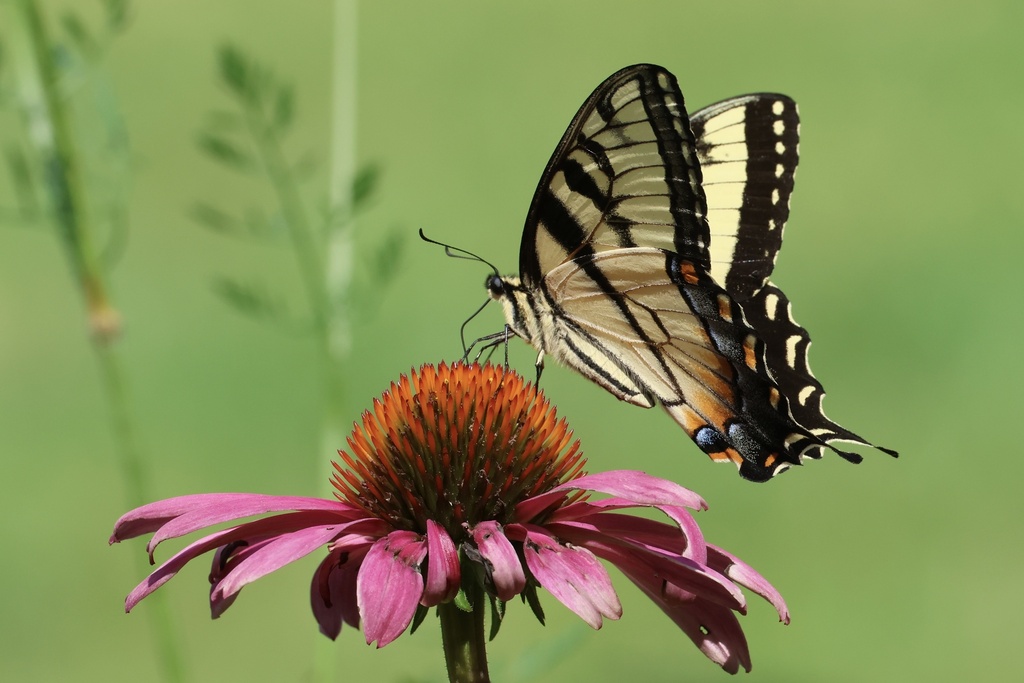
An Eastern Tiger Swallowtail at Bartholomew's Cobble. Observation © Michael Newton
Community Science: The Bioblitz
Jama, Graham, Castriotta, and Greene, along with many of their fellow TerraCorps Service Members, will plan and execute a series of “bioblitz” events across the state this spring, in an effort to continue to document the species that call Massachusetts home.
So, what is a bioblitz? “A bioblitz is when a group of volunteers explores one of our properties with us and uploads photos of all the life they find from plants to mushrooms to animals on iNaturalist,” Jama shared. “That data contributes to our biodiversity monitoring project and is used by our ecology team.”
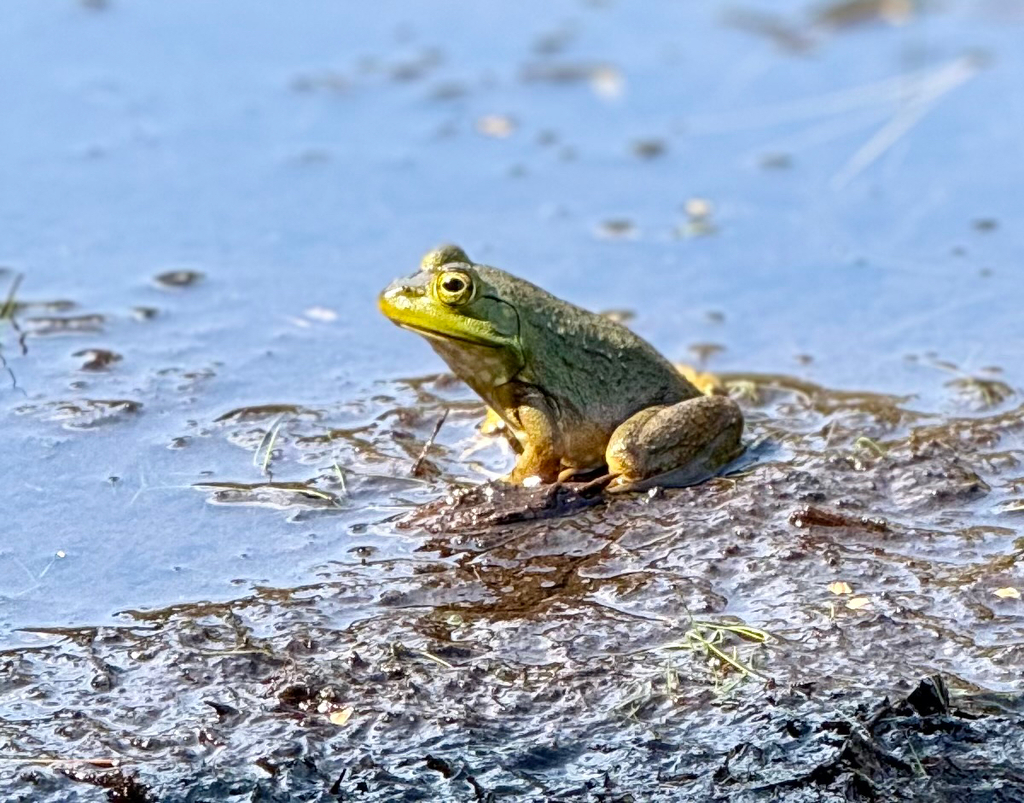
American Bullfrog seen at Rocky Woods. Observation © Tracy Levesque
“It’s a fun and accessible way for people to learn about local biodiversity while contributing to real data that supports conservation and land management,” Graham added.
iNaturalist is an app that, among a few others, allows citizen scientists to identify plants and animals. Via the app, folks can either identify wildlife themselves or get identification of unknown wildlife from experts. Ultimately, all documentation helps to support our conservation efforts.
The Trustees has an active biodiversity monitoring project through the iNaturalist app. Several Trustees properties are part of the project and volunteers, Members, and visitors are welcome to join the project themselves. Folks can venture out as part of an organized bioblitz or can add to iNaturalist data for Trustees properties on their own time.
“Our biodiversity monitoring project is easy to get involved in because volunteers just need to download iNaturalist and be willing to hike and explore our properties while uploading photos of what they find,” shared Castriotta. “All of these volunteer positions are posted on our volunteer website in the Ecology section.”
The City Nature Challenge (CNC) is a 4-day bioblitz at the end of April that The Trustees is cohosting alongside Mass Audubon and the Buttonwood Park Zoo. The CNC is a world-wide bioblitz that brings hundreds of thousands of participants outside to document species from across the globe.
– Lauren Keohan, TerraCorps Service Member
Upcoming Bioblitzes
The Trustees will host the following bioblitzes across our properties and other places nearby. Learn more about the City Nature Challenge and sign up for volunteer opportunities here.
April 24-27: City Nature Challenge at various locations:
Friday, April 24
- 8:30AM, Tattapanum Trail in Fall River
Saturday, April 25
- 10AM, Quequechan River Trail in Fall River
- 10AM, Powisset Farm in Dover
- 2PM, Fort Taber Park in New Bedford
Sunday, April 26
- 9AM, Chapel Brook, Ashfield
- 2PM, Ross C Mathieu Trail in New Bedford
Monday, April 27
- 1PM, Kennedy Park in Fall River
- 1PM, Ricketson Nature Center in New Bedford
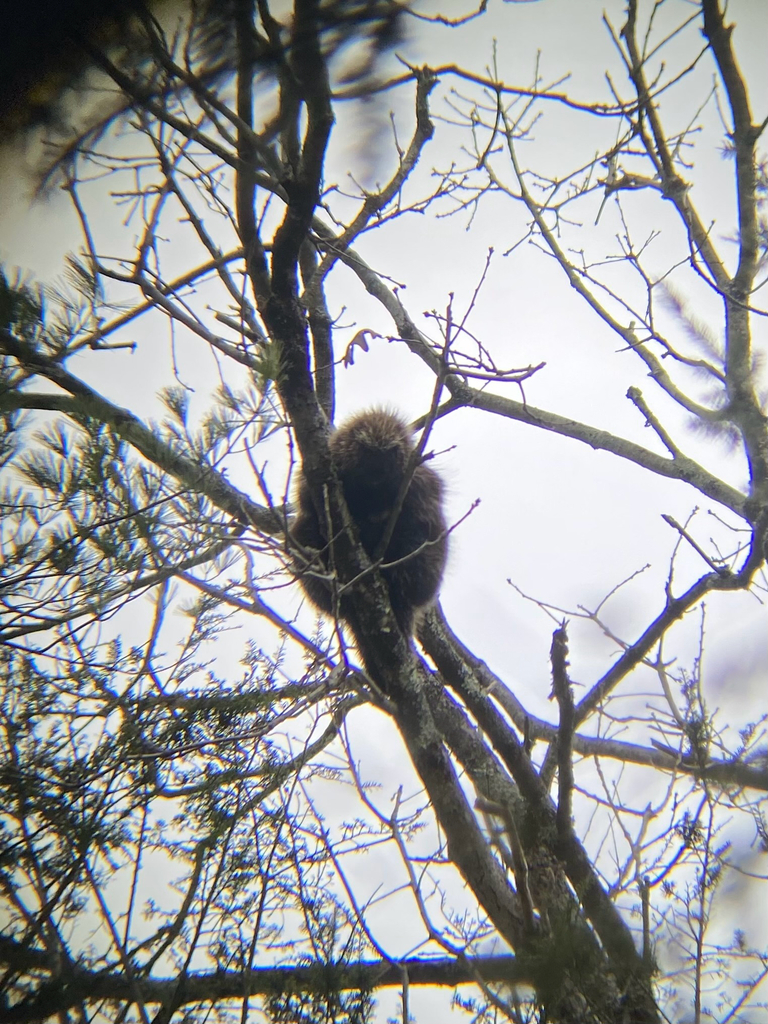
A North American Porcupine observed by TerraCorps Service Member Dan Castriotta at Beaver Brook.
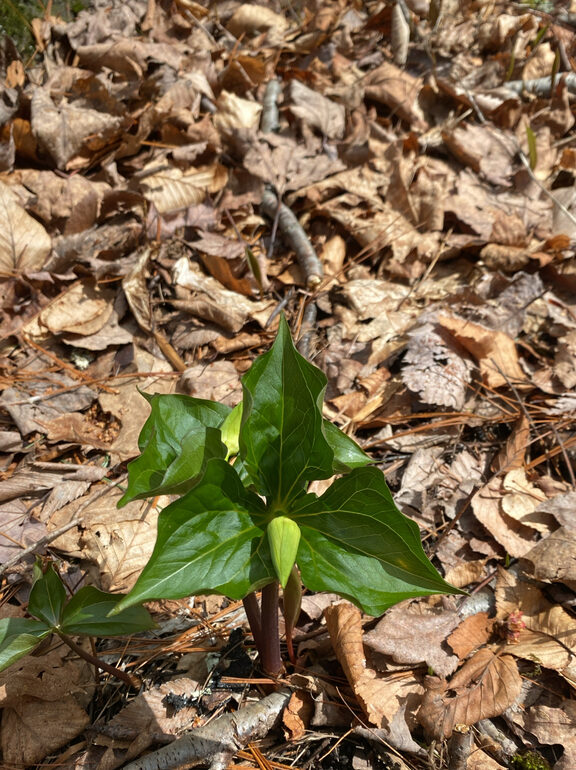
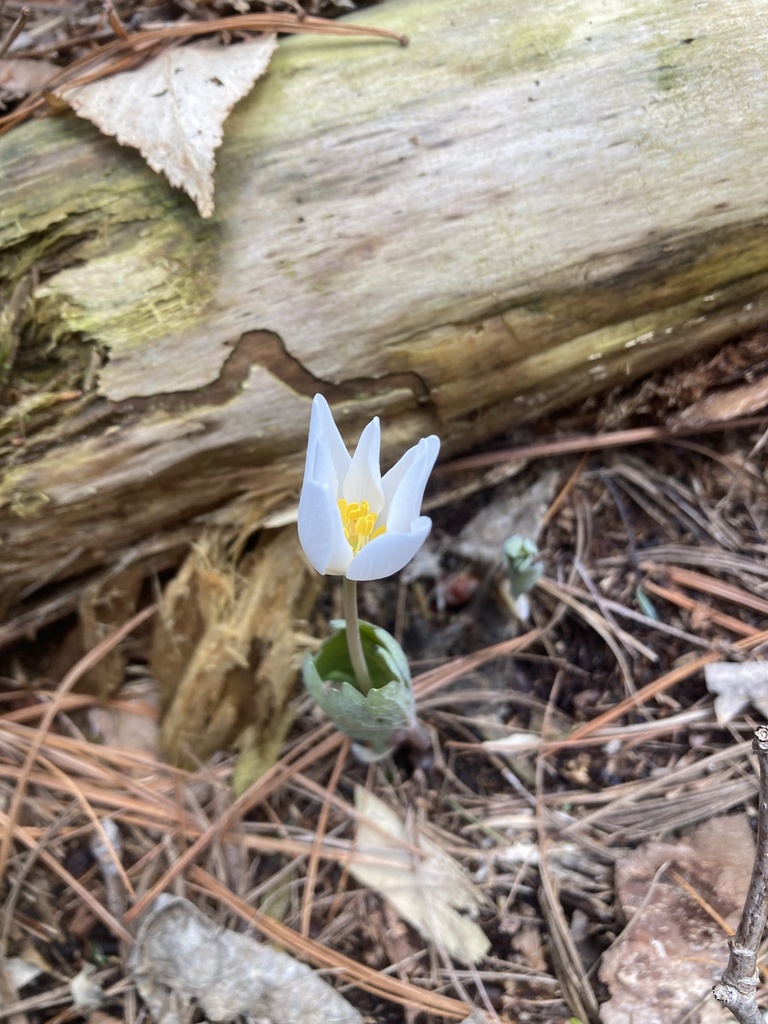
Red Trillium observed by TerraCorps Service Member Dan Castriotta at Petticoat Hill.
So you want to be a community scientist? Where to start.
The Trustees has been engaging staff, volunteers, Members, and visitors in biodiversity exercises for years. But if this is the first you’re hearing of this work—welcome! We would love to have you join in on the documentation of these species across Massachusetts.
Val Perini, Regional Education Manager for the North Shore, has been leading biodiversity walks for years. On a recent walk, she shared that participants’ experience varied—but passion was what brought the volunteers that showed up together. Some folks may be experts in a niche area—understanding the local fungi, or expert birdwatchers. Some people are good with technology and have experience using iNaturalist. And some people just bring with them the ambition to be a part of something bigger, and to aid in conservation efforts. Ultimately, apps like iNaturalist and group gatherings can make citizen science accessible.
“We can all learn something from each other,” Perini shared.
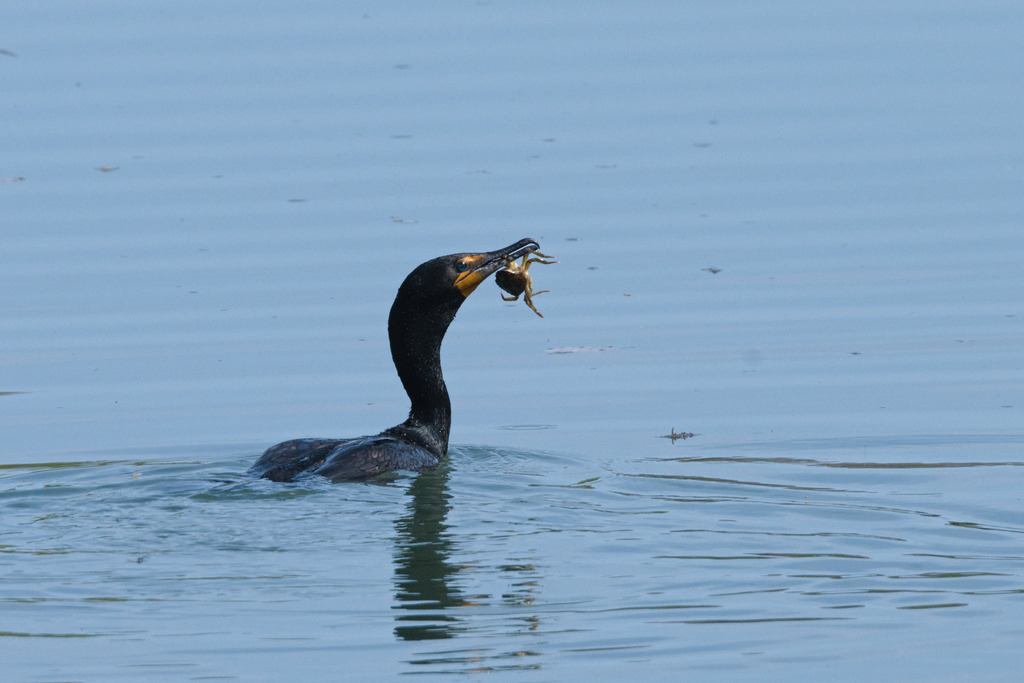
A double-crested cormorant captures a crab at World's End in Hingham. Observation © Luis Agosto
Her biggest tip for newcomers is to grab a field guide and your smartphone, and set out! “iNaturalist and eBird have quick-start guides that are incredibly user friendly,” she shared. “Both these apps, and a local field guide are great ways to acquaint yourself with local flora and fauna in the area, and to begin to identify species around you.”
In addition to the bioblitzes happening across the state, several properties, including Crane Beach in Ipswich, offer group programming that focuses on conservation and biodiversity. From wildlife walks, to Art & the Landscape, each can be a steppingstone towards contributing to citizen science.
Learn more about our iNaturalist Biodiversity Project and volunteer opportunities.
Uncaptioned photos that appear inline:
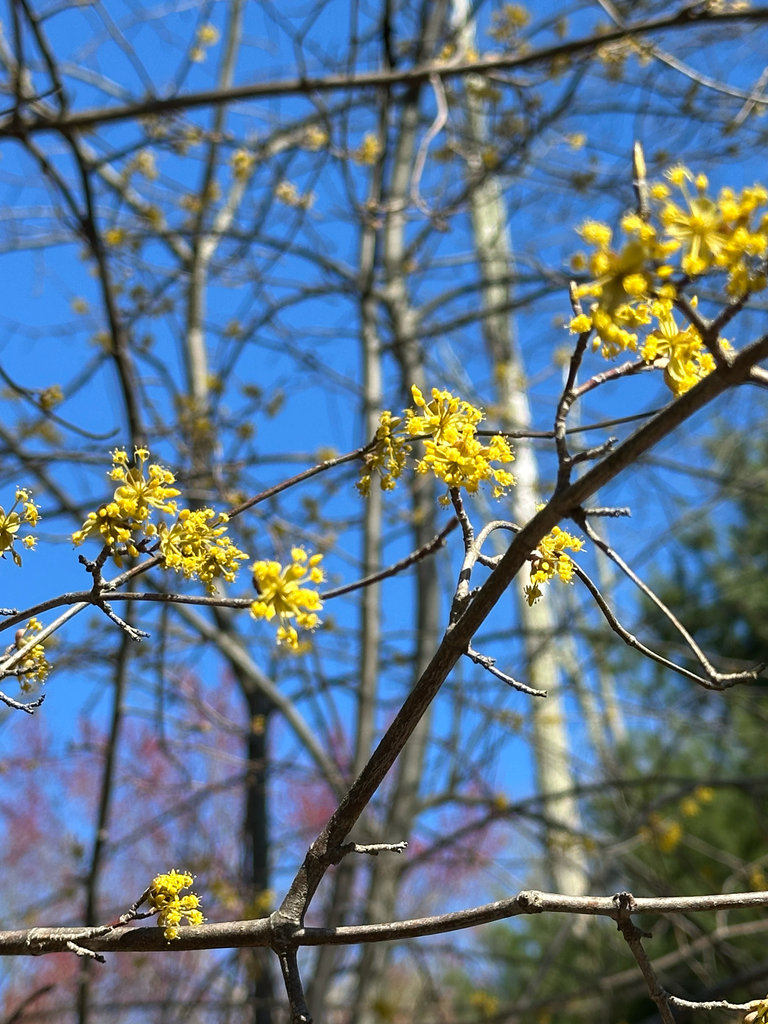
- Cornelian Cherry, Bradley Estate, Canton, © Robert Killam
- Bloodroot, Bartholomew’s Cobble in Sheffield, © Jackie Anderson Yee
*TerraCorps, an AmeriCorps program, is supported in part by the Massachusetts Service Alliance.